Oceans at COP30 + engaging activities to dive into
- Thursday 27th November 2025
- Conservation, Topical Teaching, Activities and Teaching Ideas
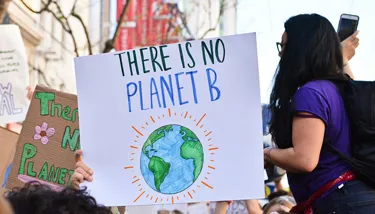
For teachers, COP30 is a good way to connect global policy to the classroom, showing students that protecting the ocean isn’t just about wildlife, it’s about climate, people, and our shared future. It’s a real-world example of how international decisions shape the natural world around us.
But what was discussed regarding the Ocean?
- The conference recognised oceans as climate champions, highlighting that oceans absorb large amounts of extra heat and carbon dioxide, helping to stabilise the Earth’s climate, while also supporting human livelihoods through food, jobs, and thriving marine ecosystems.
- Countries highlighted the importance of including ocean-based action in their climate plans to help people and nature thrive together. This includes taking care of vibrant coral reefs, seagrass meadows, and mangroves, reducing ocean pollution, using clean ocean energy, and making coastal communities safer.
- A new initiative, The “Blue Package” made waves, a big, bold to-do list for fixing our oceans. While it doesn't guarantee all outcomes, it is an aspirational roadmap packed with exciting goals for boosting clean ocean energy, ensuring healthier fish and seafood, cleaner shipping, protecting amazing marine animals and habitats, and creating coastal tourism that’s safe for the climate. It’s a clear blueprint that shows how countries can work together to keep our blue planet thriving.
- Leaders and participants at COP30 emphasized the urgent need for increased funding and action to protect and restore the ocean. Themes included restoring coastal ecosystems, creating marine protected areas, supporting communities that live by the sea, and building climate-safe defences to protect people and nature from rising seas and storms.
Connect global policy to the classroom with the beneath ocean theme activities and projects! Explore the conservation classroom for more teaching ideas and inspiration.
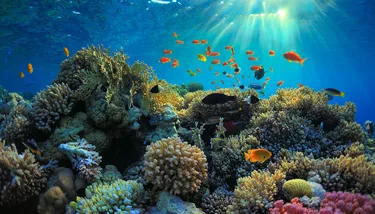
“Ocean News” Broadcast
Best for: Upper primary & lower secondary
Goal: Develop research & communication skills
Starter Questions: What themes relevant to the ocean were discussed at COP30? What conclusions were made? What makes a good news broadcast?
Classroom Task: Set up a “newsroom” where students produce a COP30 ‘Ocean News’ broadcast.
As a class create 4 ocean-themed headlines connected to issues world leaders discussed at the COP30 summit.
Split the class into groups, assign the groups a headline and a format.
- Short article
- Video report
- Podcast episode
- Interview simulation with activists or scientists
Reflection: Was the story factual and easy to follow? How well did the group explain why oceans matter?
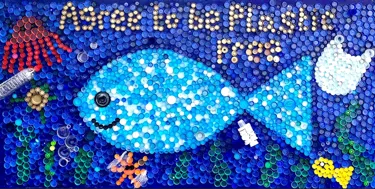
Blue Carbon Art: Oceans as Climate Protectors
Best for: Upper Primary
Goal: Learn about blue carbon ecosystems and explain how certain plants store carbon and protect coasts.
Starter Questions: What Is Blue Carbon? Why are blue carbon ecosystems important?
Art Project Instructions: Choose one ecosystem to focus on
- A mangrove forest
- A seagrass meadow
- A salt marsh
They must include:
- The habitat itself
- At least three animals that live there
- A label or sentence explaining one benefit (carbon storage, storm protection, nursery for wildlife)
Reflection: Gallery Walk & Reflect - what did you learn about blue carbon today? How can protecting these habitats help our oceans in the future?
Further inspiration: Join the mission – Sea Otters Expert Challenge Pack.
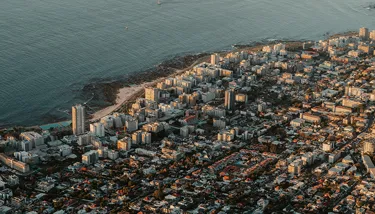
Build a Model Coastal City
Best for: Upper primary & lower secondary
Goal: Adaptation & coastal resilience
Starter Questions: What makes a city coastal? What dangers might they face as the climate warms? What are coastal protection solutions?
Task Brief: Design a future-proof coastal city. You are leaders designing a coastal city for 2050. Your city must:
- Be safe from sea-level rise and storms.
- Protect the ocean and nearby ecosystems.
- Provide homes, transport, and places for people to live, learn, and work.
- Include at least three climate-resilient features.
Complete Task in groups of 3–5, think about whether your coastal protection solutions are natural defences or are human made.
Reflection: The Climate Challenge Test. Choose an event and ask students to explain how their designs protect the city and nearby ecosystems.
- Big Storm Surge
- King Tide Flood
- Strong coastal winds
- Water Quality Drop
- Plastic Pollution
Marine Food Web & Climate Stress Simulation
Best for: All ages
Focus: Ecosystem impacts of warming seas
Game: Assign students species roles (phytoplankton, krill, fish, sharks, turtles). Using string, students connect themselves to species that they eat or are eaten by.
Introduce “climate stress cards”
- Marine heatwave kills 50% of phytoplankton.
- Coral bleaching event – coral dies.
- Overfishing removes tuna.
- Plastic debris injures turtles.
- Acidification harms shellfish larvae.
The affected species sit down or drop their string. Students connected to that species tug the string to show the chain reaction. If a student loses all or most of their food sources, they also “collapse.”
Extended learning: A visit to SEA LIFE can deepen what students learn in the classroom and spark an even greater sense of awe for our planet’s most vital resource.
Related blogs

Creative, captivating and colourful: Ocean-inspired learning for KS1&2
The world’s oceans are full of hidden depths when it comes to cross-curricular learning for KS1&2 teachers. Here are five ideas for ocean-themed projects – and how to integrate them into the classroom.
Related blog posts
How a School Aquarium Trip Can Help Students Feel Calm
It’s no secret that the wellbeing of our children has taken a hit in recent years. From pandemic disruptions to the ever insisting presence of social media, young people face a barrage of pressures previous generations could never have imagined. However, what if there was a way to make learning about wellbeing fun, engaging, and memorable? Enter the humble aquarium trip!
Related blog posts
Dive into Learning: How Aquarium Trips Inspire Knowledge, Empathy, and Love for the Ocean
Planning a geography or science school trip can be a lot of work, but watching a child’s eyes light up when they enter an aquarium is a joy to behold. It’s a journey into the ocean’s mysteries, a chance to inspire empathy, and an opportunity to show students how interconnected our world truly is.
Related blog posts
Ocean Conservation: Why Little Splashers Make Big Waves
Active citizenship might sound like something only MPs do, but for kids, it’s all about turning empathy into action. That’s where SEA LIFE’s Friends of the Sea initiative comes in. Think of it as a superhero training camp, minus the capes (although, who am I to stop you?)
Related blog posts