Why Penguins Should Take Over Your Classroom This January
- Tuesday 20th January 2026
- Lesson Planning, Topical Teaching, Conservation, Activities and Teaching Ideas
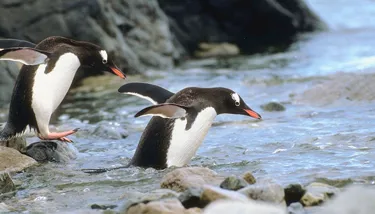
Penguins have a way of capturing students’ attention like few other animals can. From their waddling walk to their remarkable survival skills, penguins spark curiosity, empathy, and endless questions.
These ‘tuxedoed’ swimmers of the sea provide a natural gateway to lessons on science, literacy, and environmental awareness, making learning engaging and educational.
Enter Penguin Awareness Day. Celebrated on Tuesday 20 January, it’s a day that has become increasingly popular through school activities, educational resources, and social media. It provides a great opportunity for teachers to show pupils how caring about animals and the environment can inspire positive action, all starting from shared concern rather than rules or laws.
The day aims to:
- Raise awareness of penguin species and their unique adaptations
- Highlight environmental issues such as climate change, pollution, and overfishing
- Promote wildlife conservation and protection of fragile ecosystems, especially in polar regions
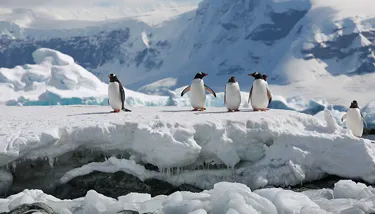
Why Penguin Awareness Day Belongs in Your Classroom
Environmental education with purpose: Penguin Awareness Day brings big global issues to life. Pupils explore climate change, conservation, and human impact on wildlife, helping them develop a strong sense of environmental responsibility and global citizenship.
High engagement, high motivation: Penguins naturally capture children’s attention. Their curiosity and charm make lessons more memorable and boost participation, especially for younger learners who thrive on exciting, relatable topics.
Meaningful cross-curricular learning: This day offers a rich, real-world context across the curriculum. Pupils can investigate animals, habitats, and climate change in science; explore polar regions and ecosystems in geography; and bring learning alive through literacy (reports, persuasive writing), maths (data handling, population graphs), and art (design, drawing, and creative projects).
Values and citizenship in action: Discussions naturally lead to themes of ethical responsibility, sustainability, and caring for the planet, supporting PSHE and British Values such as respect, responsibility, and compassion.
A wider world perspective: Pupils discover international conservation efforts and begin to understand how global challenges connect to everyday choices here in the UK, empowering them to see themselves as part of the solution.
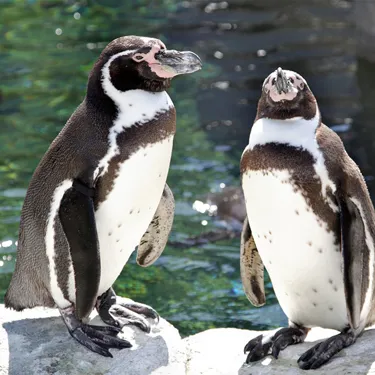
Want to make your lessons more engaging with penguins? Here’s how…
(KS1) Waddle Like a Penguin – Get Moving!
Bring science to life with a playful penguin adventure that gets pupils moving, thinking, and learning together.
Activity:
- Ask pupils to become a penguin, practice waddling across the classroom, balancing imaginary eggs, and huddling together to stay “warm.”
- After the movement, invite discussion: Why do penguins waddle? How do flippers help them swim? Why do they huddle in groups?
Learning Focus:
- Understanding animal adaptations
- Exploring cold environments and survival strategies
- Developing physical coordination, teamwork, and social skills
Why it works:
This active, hands-on activity helps children connect scientific concepts with movement and play, making learning memorable while encouraging cooperation and curiosity about the natural world.
(KS2) Penguin Adaptations Investigation – Step into the Scientist’s Shoes
Become a wildlife researcher for the day and discover how penguins survive in the icy Antarctic!
Activity:
- Challenge pupils to investigate how penguins are built for cold environments, exploring features like thick feathers, blubber, and flippers.
- Ask them to record their discoveries by creating a fact file, labelled diagram, or illustrated report, explaining how each adaptation helps penguins survive.
Learning Focus:
- Science: Living things and their habitats / adaptation
- Literacy: Non-fiction writing, explanation, and reporting skills
Why it works:
This hands-on investigation encourages pupils to think like scientists, combining observation, research, and explanation. It makes learning about adaptations interactive, memorable, and linked to real-world biology.
(KS2) Protect the Penguins – Be a Conservation Champion
Step into the role of a wildlife advocate and inspire others to take action for penguins!
Activity:
- Create a persuasive piece, such as a letter, poster, or short speech, encouraging people to help protect penguins and their habitats.
- Encourage pupils to include facts about penguins and their environment, use emotional language, and finish with a clear call to action.
Learning Focus:
- English: Persuasive writing, structuring arguments, using emotive language
- PSHE / Citizenship: Understanding sustainability, global responsibility, and how personal action can make a difference
Why it works:
This activity combines literacy skills with environmental awareness, giving pupils a meaningful way to apply persuasive writing while exploring conservation issues. It also empowers them to see how words can influence others and promote positive change.
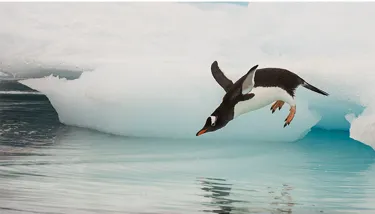
(KS3) Penguins as Indicator Species – Antarctic Food Web Analysis
Investigate the crucial role penguins play in Antarctic marine food webs and explore how environmental changes ripple through an ecosystem.
Activity:
- Ask pupils to examine the Antarctic marine food web, identifying key organisms and how energy flows among producers, consumers, and predators.
- They can then analyse scenarios, such as decreased krill populations due to warming oceans or overfishing, and discuss how these shifts could impact penguins and other species.
Learning Focus:
- Science: Interdependence, ecosystems, and food webs
- Skills: Systems thinking, ecological analysis, evaluating cause and effect
Why it works:
This investigation challenges students to think beyond individual organisms and understand ecosystems as interconnected systems. By placing penguins within this context and analysing change, pupils build higher‑order science skills and deepen their understanding of environmental influences and ecological balance.
(KS3) Human Impact Debate — Who Is Responsible for Protecting Penguins?
Explore real‑world perspectives on environmental responsibility and climate change by debating the roles different people and groups play in protecting penguins and their habitats.
Activity:
- Invite pupils to investigate and gather information on various viewpoints, including governments, fishing industries, scientists, and everyday consumers, about responsibility for penguin conservation.
- In class, either take part in a structured debate or ask students to write a balanced argument, presenting and defending different perspectives with evidence and reasoning.
Learning Focus:
- Geography / Science: Understanding human impact on the environment and climate change
- English: Developing speaking, listening, and argument writing skills
- Citizenship: Exploring ethical responsibility, sustainability, and global interdependence
Why it works:
This activity encourages learners to think critically about the complex connections between people, policy, and wildlife. It not only deepens understanding of how human actions affect ecosystems but also supports effective communication and respect for diverse viewpoints, key skills for thoughtful global citizenship
(KS4) Climate Change Impact Analysis — Penguins on the Frontline
Challenge students to investigate how global warming is reshaping the world of penguins by analysing real‑world data and linking cause with ecological consequence.
Activity:
- Ask students to source and examine a range of data sources including graphs of temperature trends, maps of sea‑ice change, and short case studies on penguin populations.
- Then set them exam‑style questions that encourage them to interpret the data and explain the connections between climate change, ecosystem shifts, and biodiversity loss.
Learning Focus:
- GCSE Biology & Geography: Ecosystems, climate change, interdependence and human impact
- Skills: Data interpretation, extended written responses, evaluation and synthesis
Why it works:
This investigation builds essential GCSE knowledge while giving students hands‑on experience with real data. It encourages them to think analytically about environmental change and its effects on species survival, helping bridge scientific understanding with geographical context.
Swim this way for more ocean-inspired learning ideas →
Related blogs

Creative, captivating and colourful: Ocean-inspired learning for KS1&2
The world’s oceans are full of hidden depths when it comes to cross-curricular learning for KS1&2 teachers. Here are five ideas for ocean-themed projects – and how to integrate them into the classroom.
Related blog posts
Dive into Learning: How Aquarium Trips Inspire Knowledge, Empathy, and Love for the Ocean
Planning a geography or science school trip can be a lot of work, but watching a child’s eyes light up when they enter an aquarium is a joy to behold. It’s a journey into the ocean’s mysteries, a chance to inspire empathy, and an opportunity to show students how interconnected our world truly is.
Related blog posts
Oceans at COP30 + engaging activities to dive into
For teachers, COP30 is a good way to connect global policy to the classroom, showing students that protecting the ocean isn’t just about wildlife, it’s about climate, people, and our shared future.
Related blog posts
Ocean Conservation: Why Little Splashers Make Big Waves
Active citizenship might sound like something only MPs do, but for kids, it’s all about turning empathy into action. That’s where SEA LIFE’s Friends of the Sea initiative comes in. Think of it as a superhero training camp, minus the capes (although, who am I to stop you?)
Related blog posts