Protecting Our Planet, One Seagrass Meadow at a Time
- Wednesday 22nd April 2026
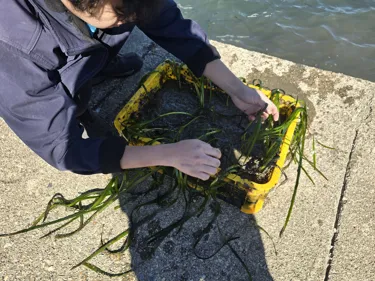
This World Earth Day, we are reminded that protecting our planet doesn’t stop at the shoreline. Beneath the ocean’s surface, seagrass meadows quietly play an outsized role in keeping Earth healthy making them a powerful symbol of what Earth Day stands for.
Seagrasses are marine flowering plants found in shallow waters around the world, from tropical coastlines to near the Arctic Circle. These underwater meadows support food security by providing nursery habitats for fish, improve water quality by filtering pollutants, protect coastlines from erosion and storms, and lock away vast amounts of carbon making them one of the ocean’s most effective natural climate solutions. Despite their importance, it’s estimated that around 20% of global seagrass meadows have been lost since 1880, with ongoing declines of 1–2% each year. Alarmingly, seagrass remains among the least protected coastal ecosystems, facing threats from pollution, coastal development, and climate change.
The message for Earth Day is clear: protecting seagrass is essential for building a healthier, more resilient planet.
At SEA LIFE Busan, we are proud to contribute to this global effort through hands-on conservation and habitat restoration. Our team is actively working to restore seagrass habitats by transplanting common eelgrass (Zostera marina), a nationally protected marine species in Korea. As a rooted plant, eelgrass is highly sensitive to pollution and environmental change, making proactive conservation efforts vital.
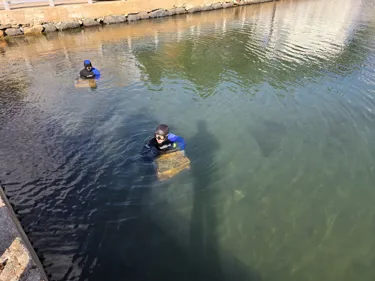
Our approach focuses on indoor propagation under controlled conditions, followed by careful reintroduction into natural habitats. In 2025, we successfully propagated 100 eelgrass plants and transplanted 20 into the wild. These plants are closely monitored to assess their adaptation, growth, and stability against currents, helping ensure long-term restoration success. This research is carried out in partnership with the Korea Marine Environment Management Corporation and Busan Metropolitan City, strengthening collaboration for lasting environmental impact.
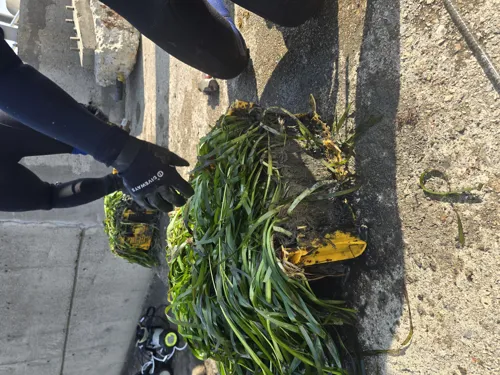
Beyond planting, our teams have also removed discarded fishing nets, debris, and waste from shallow coastal waters surrounding major eelgrass habitats. Maintaining a clean seabed is essential for eelgrass survival, and these clean-up efforts directly support the recovery of these vital ecosystems.
This Earth Day, SEA LIFE Busan reaffirms its commitment to protecting marine life by safeguarding the habitats that sustain it. By restoring seagrass meadows today, we are helping secure a healthier ocean and planet for generations to come.
