Driving Conservation Through Evidence-Based Action
- Monday 20th July 2026
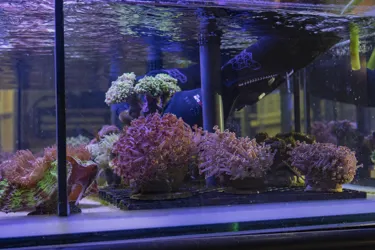
Science is at the heart of everything we do at SEA LIFE. From animal welfare and wildlife rehabilitation to species conservation and public engagement, science-backed principles guide how we care for aquatic animals and protect marine and freshwater ecosystems. As highlighted in our 2025 Conservation and Wildlife Rehabilitation Impact Report, research underpins all our conservation activities, helping us improve outcomes for wildlife while advancing global scientific understanding.
By combining hands-on expertise with collaboration across the scientific community, SEA LIFE continues to deliver conservation-focused research that creates meaningful, measurable impact for species both in human care and in the wild.
Why Research Matters for Conservation
Effective conservation depends on evidence. Research helps us understand animal behaviour, improve rehabilitation techniques, monitor vulnerable populations, and develop strategies that support species recovery.
In 2025, SEA LIFE strengthened its commitment to evidence-based conservation, focusing on three key research pillars:
1. Animal Welfare Research
Our welfare research aims to improve the lives of the animals in our care through the study of:
- Nutrition and dietary requirements
- Environmental enrichment
- Species-specific behaviour
- Health and wellbeing monitoring
- Best-practice husbandry techniques
This research generates valuable insights that benefit both aquarium populations and wild species conservation programs.
2. Conservation Research
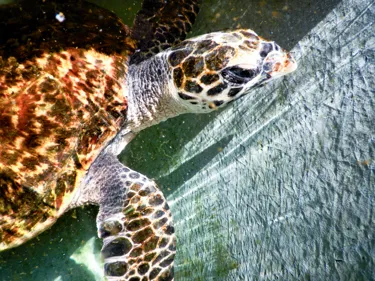
SEA LIFE uses its expertise and the animals in its care to support both in-situ conservation (in natural habitats) and ex-situ conservation (within managed care environments).
Key conservation research areas include:
- Wildlife rescue, rehabilitation and release
- Population monitoring
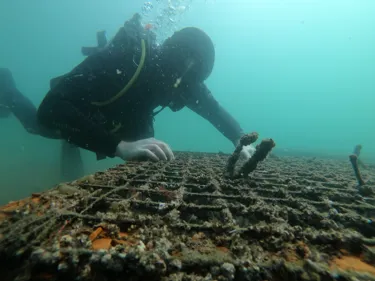
- Habitat restoration
- Species recovery programmes
- Genetic research
- Climate change impact studies
3. Social Science Research
Protecting wildlife requires people as well as science.
Our social science research examines how conservation education and environmental engagement influence:
- Nature connectedness
- Environmental attitudes
- Public wellbeing
- Conservation behaviour change
Understanding these factors helps us inspire individuals and communities to take meaningful action for our oceans and waterways.
Conservation Research Highlights from 2025
Advancing Marine Turtle Rehabilitation
One of the most exciting research initiatives in 2025 involved marine turtle conservation.
SEA LIFE partnered with Wildlife Vets International to investigate best practices for:
- Rescue of cold-stunned marine turtles
- Rehabilitation techniques
- Release protocols
- Post-release monitoring
This important work helps improve survival outcomes for rescued turtles and strengthens science-based wildlife rehabilitation practices worldwide.
We also continued supporting Tour de Turtles, an educational conservation programme that uses satellite tracking to study sea turtle migration and movement patterns after release.
Monitoring Marine Species for Long-Term Conservation
Population monitoring provides critical data that helps conservationists understand species health and inform management decisions.
In 2025, SEA LIFE contributed to research and monitoring of:
Sharks
- Bull sharks (Carcharhinus leucas) at SEA LIFE Sunshine Coast
Horseshoe Crabs
- Atlantic horseshoe crabs (Limulus polyphemus) at SEA LIFE New Jersey
Native UK Skate Species
- Undulate skate (Raja undulata)
- Small-eyed skate (Raja microcellata)
- Thornback skate (Raja clavata)
Seahorses
- Spiny seahorse (Hippocampus guttulatus)
- Short-snouted seahorse (Hippocampus hippocampus)
Seagrass Ecosystems
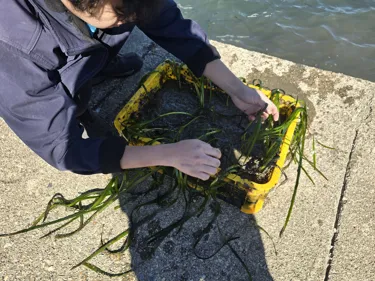
Monitoring projects were conducted at:
- SEA LIFE Benalmádena
- SEA LIFE Busan
- SEA LIFE Weymouth
Seagrass meadows play an essential role in marine biodiversity, carbon storage and coastal protection, making their conservation increasingly important.
Freshwater Conservation Research
SEA LIFE's conservation impact extends beyond oceans to freshwater habitats. During 2025, teams around the world supported freshwater biodiversity monitoring through occupancy and abundance surveys.
Research projects included:
- Population studies of alligator snapping turtles (Macrochelys temminckii) in partnership with SEA LIFE San Antonio and SEA LIFE Grapevine
- River monitoring surveys conducted by SEA LIFE Blackpool in the River Wyre
- Conservation pond monitoring at SEA LIFE Porto
- Reptile biodiversity monitoring by SEA LIFE Munich
- Recovery research for the critically endangered yellow-bellied fire toad (Bombina variegata) supported by SEA LIFE Hannover and LEGOLAND Deutschland Aquarium
These initiatives generate vital data that helps inform conservation strategies and species recovery efforts.
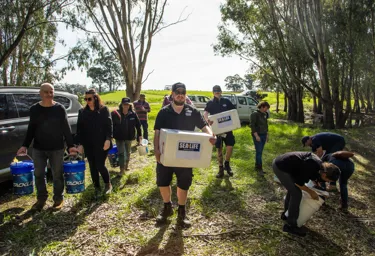
Scientific Discoveries Supporting Wildlife Conservation
SEA LIFE aquariums provide valuable opportunities to study species that can be difficult to observe in the wild.
This scientific access supports research into behaviour, biology, genetics and environmental threats, creating knowledge that can directly benefit conservation outcomes.
Understanding Microplastics and Marine Health
SEA LIFE Blankenberge partnered with KU Leuven University to investigate:
- Marine microbiomes
- Population health
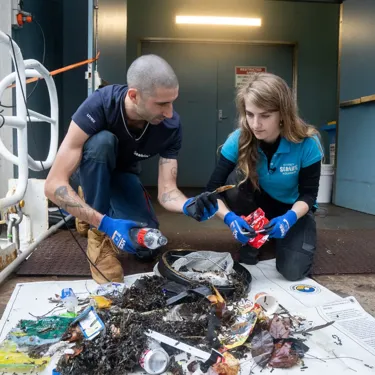
- The impacts of microplastics on aquatic ecosystems
Research like this helps improve understanding of emerging environmental threats affecting marine wildlife.
Shark Teeth and Ocean Acidification
At SEA LIFE Oberhausen, shark teeth samples contributed to groundbreaking research exploring how climate change and ocean acidification may affect sharks' ability to feed effectively.
This work provides important insight into the long-term impacts of changing ocean conditions on marine predators.
Zebra Shark Genetic Ageing Research
SEA LIFE California and SEA LIFE Kansas City contributed blood samples, age records and morphometric data for research into genetic ageing in zebra sharks (Stegostoma tigrinum).
The resulting publication advances understanding of shark biology and provides valuable information for future conservation management.
Working Together to Deliver Greater Conservation Impact
Collaboration is critical to successful conservation science. In 2025, SEA LIFE partnered with:
55 Universities and Research Institutions
Together, these partnerships delivered conservation-focused research projects addressing:
- Species welfare
- Wildlife rehabilitation
- Population monitoring
- Climate change impacts
- Habitat restoration
- Marine and freshwater biodiversity conservation
By bringing together scientists, veterinarians, conservationists and educators, SEA LIFE continues to expand the reach and impact of its research.
