2025 Rescue Efforts Help Hundreds of Marine Animals Recover and Return to the Wild
- Wednesday 1st July 2026
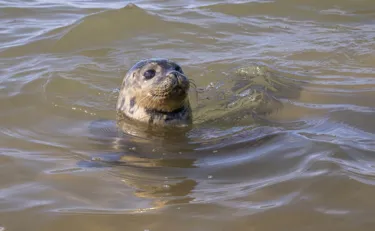
In the latest SEA LIFE Conservation and Wildlife Rehabilitation Impact Report 2025, it highlights a year of significant progress in marine wildlife rescue, rehabilitation and release, with hundreds of animals rescued across the globe and many successfully returned to their natural habitats.
Across 50 global SEA LIFE aquariums, dedicated animal care teams, veterinarians and conservation partners worked together to support injured, stranded, orphaned and confiscated wildlife. From marine turtles and seals to endangered crayfish and corals rescued from illegal trade, SEA LIFE’s rescue efforts continue to play a vital role in protecting vulnerable species affected by human activity, pollution, disease and habitat degradation.
By the Numbers: SEA LIFE Rescue Impact in 2025
The 2025 Conservation Impact Report revealed:
- 683 animals rescued worldwide
- 530 animals successfully rehabilitated and released
- 8,601 hours dedicated to rescue, rehabilitation and release activities
- 94 marine turtles rescued
- 99 reptiles rescued, including species such as yellow-bellied sea snakes
- 405 endangered white-clawed crayfish rescued and provided sanctuary at SEA LIFE Birmingham
Global Marine Turtle Rescue Efforts
One of SEA LIFE’s largest rescue programmes focused on marine turtles. Across South Korea, North America, Australia, New Zealand and the United Kingdom, SEA LIFE aquariums collectively rescued 94 marine turtles from species including hawksbill, loggerhead, flatback and green sea turtles.
SEA LIFE Sunshine Coast in Australia led the way, admitting 71 turtles during 2025. Many arrived suffering from malnutrition, entanglement injuries, plastic ingestion or buoyancy disorders. Following extensive rehabilitation, 40 turtles were successfully released, while others continue receiving specialist care.
Meanwhile in the UK, teams responded to an increase in cold-stunned turtles, particularly in Scotland, providing urgent veterinary treatment and transfer to specialised rehabilitation facilities.
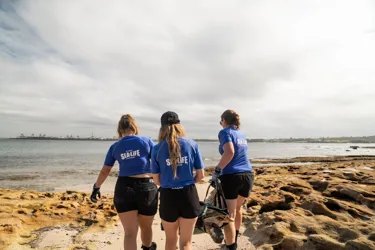
Seal Rescue and Rehabilitation Success
SEA LIFE’s rescue impact extended to marine mammals through dedicated seal rehabilitation programmes in Belgium and the United Kingdom.
SEA LIFE Blankenberge served as Belgium’s only licensed seal rescue facility, while SEA LIFE Scarborough coordinated rescue responses across the UK coastline. Together, the teams responded to seals affected by pollution, overfishing and human disturbance.
During 2025:
- 15 seals were admitted for rehabilitation
- Five seals were successfully released back into the wild
- National rescue coordination supported 12 seal incidents across the UK
- Community education and volunteer training helped improve local conservation outcomes
Research partnerships with institutions including the University of Leuven and the Flanders Marine Institute also advanced understanding of seal health, diet and the impact of microplastics on marine mammals.
Fighting Illegal Wildlife Trade and Supporting Species Recovery
The report also highlights SEA LIFE’s role in combating illegal wildlife trade. Teams supported coral rescue efforts following wildlife seizures at SEA LIFE London Aquarium and through collaborative conservation initiatives in California.
Other notable rescue achievements included:
- Supporting yellow-eyed penguin chick rehabilitation and release in New Zealand
- Assisting emergency sperm whale rescue operations in South Korea
- Expanding marine turtle rehabilitation infrastructure in the UK
- Providing long-term sanctuary for animals unable to return to the wild, including Pig the dugong at SEA LIFE Sydney

A Commitment to Rescue, Recovery and Conservation
Rescue, rehabilitation and release remain central to SEA LIFE’s conservation mission. Whether responding to stranded turtles, rehabilitating seals, supporting endangered species recovery or rescuing animals from illegal trade, every effort contributes to healthier marine ecosystems and a more sustainable future for ocean wildlife.
As highlighted throughout the SEA LIFE Conservation Impact Report 2025, conservation success depends on expert care, scientific collaboration and public engagement working together to give vulnerable animals their best chance of survival.
Frequently Asked Questions
SEA LIFE rescued 683 animals globally during 2025.
A total of 530 animals were successfully rehabilitated and released.
Rescued animals included marine turtles, seals, crayfish, corals, penguins, whales and reptiles such as yellow-bellied sea snakes.
Many animals require intervention due to threats such as pollution, entanglement, disease, malnutrition, habitat loss, illegal trade and climate-related environmental changes.
When release is not possible, SEA LIFE provides long-term, enrichment-focused care in specialist facilities designed to support animal welfare and conservation outcomes.
