Coral Catsharks: Everything You Need to Know About These Camouflaged Sharks
- Wednesday July 1st 2026
- Author: Matt Meyers
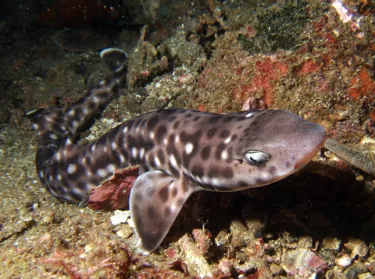
Coral Catsharks: Everything You Need to Know About These Camouflaged Sharks
When people think of sharks, they usually imagine large predators swimming in the open ocean. However, the diverse world of marine life includes some incredibly unique, smaller species that rely on stealth rather than size to survive. One of the most fascinating examples is the coral catshark (Atelomycterus marmoratus), a master of disguise found hiding among tropical reefs.
These captivating, nocturnal creatures offer a completely different perspective on what it means to be an apex predator. In this complete guide, we will dive into essential coral catshark facts and show you exactly where to find them during the Summer of Sharks event at SEA LIFE Orlando.
Scientific Profile: Coral Catshark Quick Facts
To understand this species at a glance, here are the core biological parameters of the Coral Catshark:
| Attribute | Scientific Data Baseline |
| Common Name | Coral Catshark, Marbled Catshark |
| Scientific Name | Atelomycterus marmoratus |
| Average Size | 24 to 28 inches (60 to 70 cm) |
| Maximum Size | Up to 28 inches |
| Conservation Status | Near Threatened (IUCN Red List) |
| Primary Habitat | Shallow coral reefs, crevices, and caves in the Indo-West Pacific |
| Reproduction | Oviparous (Lays specialized egg cases) |
Fascinating Coral Catshark Facts
Coral catsharks are relatively small compared to their deep-sea cousins, but they possess incredible evolutionary traits. Understanding their biology helps researchers protect fragile coral reef ecosystems across the globe.
-
Adaptive Camouflage: Coral catsharks have a striking pattern of dark and light spots that mimic the shadows of coral reefs. This incredible evolutionary trait is known as adaptive coloration, allowing them to blend seamlessly into their surroundings to hide from larger predators and ambush prey.
-
Cat-Like Eyes: They earn their "catshark" moniker from their elongated, slitted eyes. These specialized eyes are highly adapted for low-light vision, giving them a distinct advantage when hunting after the sun goes down.
-
Slender Bodies for Reef Navigating: Unlike bulky open-water sharks, this species features a highly elongated, flexible body. This slender shape allows them to squeeze effortlessly into tight crevices, caves, and coral formations to rest during the daytime.
-
Benthic Bottom-Dwellers: These sharks are primarily benthic, meaning they spend the majority of their lives resting on or hovering just above the seafloor. They use their strong pectoral fins to almost "walk" along the sand and rocks rather than constantly swimming.
-
Diet and Hunting Style: Because they hunt at night, they rely heavily on their acute sense of smell and electroreception to find food. Their diet consists mainly of small reef fish, crustaceans, and various invertebrates hiding in the substrate.
Dive Into the Summer of Sharks Event at SEA LIFE Orlando
If you want to see these incredible camouflaged sharks up close, there is no better time to visit than during the Summer of Sharks event at SEA LIFE Orlando. Running from June 26th through August 9th, this festive celebration is fully included with standard aquarium admission. It provides the perfect opportunity for families, kids, and marine enthusiasts to explore the wonders of the ocean.
Throughout the event, the aquarium transforms into an interactive shark habitat designed to educate and inspire. Visitors can participate in hands-on activities that highlight the vital roles these animals play in global marine ecosystems.
What to Expect at the Event:
-
Shark Tracking Guide & Stations: Grab an official tracking guide at the entrance and follow the trail to dedicated education stations. Friendly, expert educators will be stationed throughout the aquarium to share amazing facts and answer all your deep-sea questions.
-
Meet Sharky the Mascot: On Saturdays and Sundays, you can snap a memorable selfie with Sharky, the friendliest mascot in the ocean. Please note that Sharky will briefly leave the reef to visit Shark Con on July 18th and 19th.
-
Educational Talks: Catch live presentations hosted by professional aquarists. These daily presentations give you an insider look at how the aquarium cares for its resident shark species.
-
Exclusive Shark Artwork: Stop by the retail gift shop before you leave to view real, colorful artwork painted by Agave, a resident zebra shark. Painting serves as a critical behavioral enrichment activity for her.
-
Behind-the-Scenes Upgrade: For just an extra $10, you can book the premium Shark Experience tour. This exclusive upgrade gives you a bird's-eye view from the top of the ocean overlook, lets you see how the animals are fed, and even features real developing shark eggs.
Meet the Other Incredible Shark Species at SEA LIFE Orlando
Beyond the camouflaged coral catshark, the aquarium hosts an amazing lineup of resident sharks, each displaying its own unique evolutionary adaptations. Visiting families can get up close to these fascinating carnivores and learn about their distinct behaviors.
-
Omnivorous Bonnethead Sharks: Guests can look for two famous resident bonnethead sharks, Mario and Luigi, swimming inside the Pacific Ocean habitat. These unique animals are famous for being the first known shark species to maintain an omnivorous diet, safely consuming both meat and seagrass.
-
Pattern-Changing Zebra Sharks: The aquarium is home to resident zebra sharks named Joy, Nebula, and Luna, who are vital members of an official AZA breeding program. While they feature beautiful spots as adults, they are born with distinct black-and-white stripes that completely change over time.
-
Walking Epaulette Sharks: You can also spot Ellie the epaulette shark, a fascinating species that prefers warm, shallow coral reef waters. These sharks feature massive, deceptive spots on their backs that resemble giant eyes to successfully scare away potential predators.
-
Bottom-Dwelling Bamboo Sharks: Much like their catshark neighbors, the brown-banded bamboo sharks spending time at the aquarium prefer to stay close to the sand rather than swimming constantly. They rely heavily on their strong, specialized fins to push themselves along the marine floor.
Frequently Asked Questions About Coral Catsharks
Coral catsharks are a relatively small shark species that typically grow to an average length of 24 to 28 inches. This compact size makes them perfectly suited for life inside the winding maze of tropical coral reefs.
In the wild, these sharks are native to the warm, shallow waters of the Indo-West Pacific region. They are commonly found navigating coastal reefs from India and Pakistan all the way to Indonesia and the Philippines.
No, coral catsharks are entirely harmless and pose no threat to humans. They are naturally shy, reclusive animals that prefer to hide in coral caves rather than confront larger creatures.
This specific species is oviparous, meaning the females reproduce by laying distinct, protective egg cases often referred to as "mermaid's purses." These cases have long tendrils that anchor securely to coral branches or sea structures until the pups hatch.
Yes, the aquarium is home to seven different species of sharks and rays. During your journey, you can spot unique residents like bonnethead sharks, blacktip reef sharks, zebra sharks, epaulette sharks, and brown-banded bamboo sharks.
Related blogs

Summer of Sharks at SEA LIFE Orlando: What to Know & What's Coming Next
Summer of Sharks 2026 has ended at SEA LIFE Orlando. Discover what the event offered and learn when Summer of Sharks returns in 2027.
Related blog posts
Meet the Bamboo Shark at SEA LIFE Orlando: Fun Facts for Kids & Families
Discover fun bamboo shark facts at SEA LIFE Orlando Aquarium! Learn what bamboo sharks eat, where they live, and why they’re featured in the Summer of Sharks event.
Related blog posts
Bonnethead Sharks: Fun Facts About Florida's Friendly Hammerhead Relative
Discover fun bonnethead shark facts at SEA LIFE Orlando Aquarium! Learn where bonnethead sharks live, what they eat, how they're related to hammerheads, and why they're a must-see during Summer of Sharks.
Related blog posts
Zebra Shark Facts: One of the Ocean's Most Beautiful Sharks
Discover amazing zebra shark facts at SEA LIFE Orlando Aquarium! Learn where zebra sharks live, what they eat, why they change spots as they grow, and see them during Summer of Sharks.
Related blog posts
Coral Catsharks: Everything You Need to Know About These Camouflaged Sharks
Discover fascinating coral catshark facts, their unique adaptive camouflage, and how to see them at SEA LIFE Orlando's Summer of Sharks event.
Related blog posts