

Salamander Conservation
Protecting the Small Lives of Forests and Wetlands
SEA LIFE Busan Aquarium contributes to the conservation of healthy freshwater ecosystems through the rescue, breeding, release, habitat protection, and educational programmes for salamanders, including the endangered Korean Salamander found in the Busan region.
Salamanders inhabit small ponds and forest wetlands, and because they have limited ranges and are rarely seen, many people are unaware of their presence. Protecting these small wetland habitats means safeguarding the many species that depend on them and preserving the health of the surrounding ecosystem.
Together with local communities, SEA LIFE Busan Aquarium remains committed to the long-term conservation of salamanders and the freshwater habitats they call home.

1. Rescueing Salamanders from Drainage Channels
Field Conservation for Safe Breeding
During the breeding season, salamanders become more active as they move to breeding sites to lay their eggs. In the process, some fall into concrete drainage channels where they are unable to escape, risking injury or death as the water recedes or after being swept away by rainfall. SEA LIFE Busan Aquarium carries out field conservation activities by rescuing stranded salamanders from drainage channels and relocating them to safe habitats where they can continue their natural breeding cycle.

2. Captive Breeding & Release
Supporting Healthy Wild Populations
SEA LIFE Busan Aquarium contributes to local biodiversity by breeding salamanders and releasing them back into suitable natural habitats. These conservation efforts help support healthy wild populations and strengthen the long-term protection of local freshwater ecosystems, while providing a foundation for the future conservation of endangered salamander species.

3. Habitat Protection
Creating a Safer Environment for Salamanders and People
SEA LIFE Busan Aquarium helps protect salamander habitats by installing educational signs in key habitats around Geumjeong-gu, Busan, encouraging local communities to recognise the importance of these areas and take part in their protection. We also carry out habitat clean-up activities by removing litter from breeding ponds and wetlands where salamanders live and reproduce. Through these ongoing conservation efforts, we work alongside local communities to help maintain healthy freshwater ecosystems for both wildlife and people.

4. Education & Awareness
Inspiring the Next Generation of Salamander Conservationists
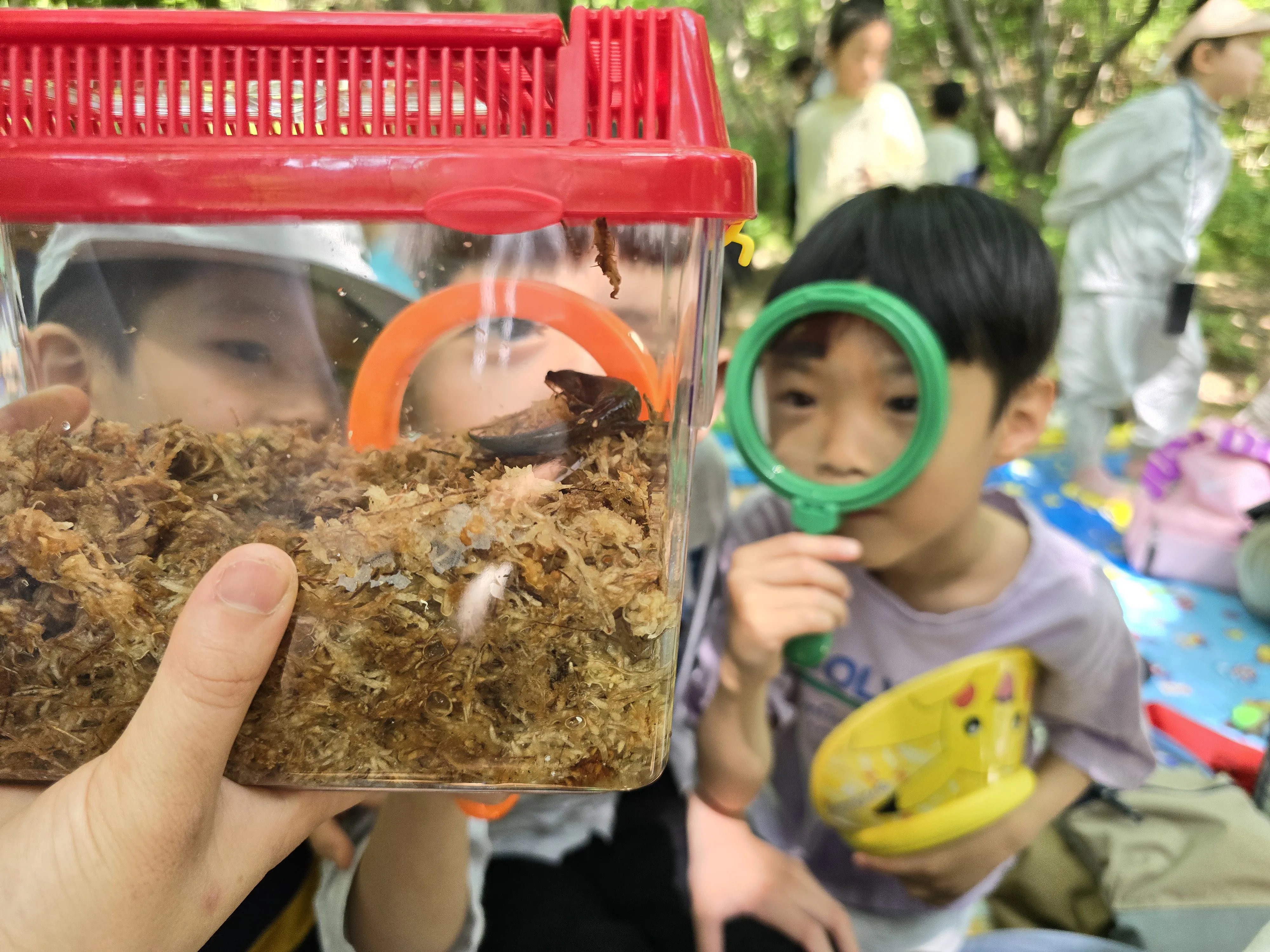
SEA LIFE Busan Aquarium delivers educational programmes for schools near salamander habitats, helping students understand the ecology of salamanders and the importance of protecting their freshwater habitats. Through engaging learning experiences and conservation activities, we encourage future generations to value local biodiversity and inspire them to become active supporters of salamander conservation.
Conservation History
| Year | Location | Conservation Activity |
|---|---|---|
| 2024 | Geumjeongsan Mountain, Busan | Released captive-bred salamanders into their natural habitat, installed salamander conservation signboards, and carried out habitat clean-up activities. |
| 2025 | Sasong, Dong-myeon, Yangsan | Rescued salamanders and eggs trapped in drainage channels and safely relocated them to a nearby pond. |
| 2025 | Dongmyeon Elementary School, Sasong, Yangsan | Conducted conservation education and habitat clean-up activities near the habitat of the endangered Gori Salamander, which has been affected by urban development. |
| 2026 | Geumjeongsan Mountain, Busan and Yangsan | Continued rescuing adult salamanders and eggs trapped in drainage channels during the breeding season, while carrying out ongoing habitat restoration and clean-up activities. |
