How to Start Your Own Beach Cleanup in Florida: A Step-by-Step Guide
- Friday August 14th 2026
- Author: Matt Meyers
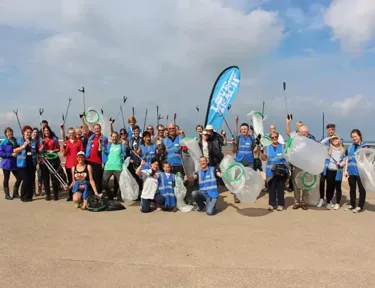
Florida is known around the world for its beautiful coastline, crystal clear waters, and diverse marine ecosystems. From the Gulf Coast to the Atlantic Ocean, Florida’s beaches provide important habitats for sea turtles, shorebirds, fish, and many other ocean animals.
While enjoying a day at the beach is one of the best ways to experience Florida’s natural beauty, protecting these environments is just as important. One of the easiest ways to make a positive impact is by organizing a beach cleanup in your local community.
A beach cleanup is more than picking up litter. It is an opportunity to educate others about ocean conservation, prevent trash from entering marine habitats, and create a healthier environment for the animals that call the ocean home.
Whether you are planning a cleanup with your family, school group, coworkers, or community organization, this guide will help you get started.
At SEA LIFE Orlando Aquarium, guests can discover the incredible animals that live beneath the waves while learning why protecting our oceans matters. Through global conservation efforts supported by SEA LIFE Trust, SEA LIFE works to protect marine habitats and inspire people to take action for ocean health.
Why Beach Cleanups Matter in Florida
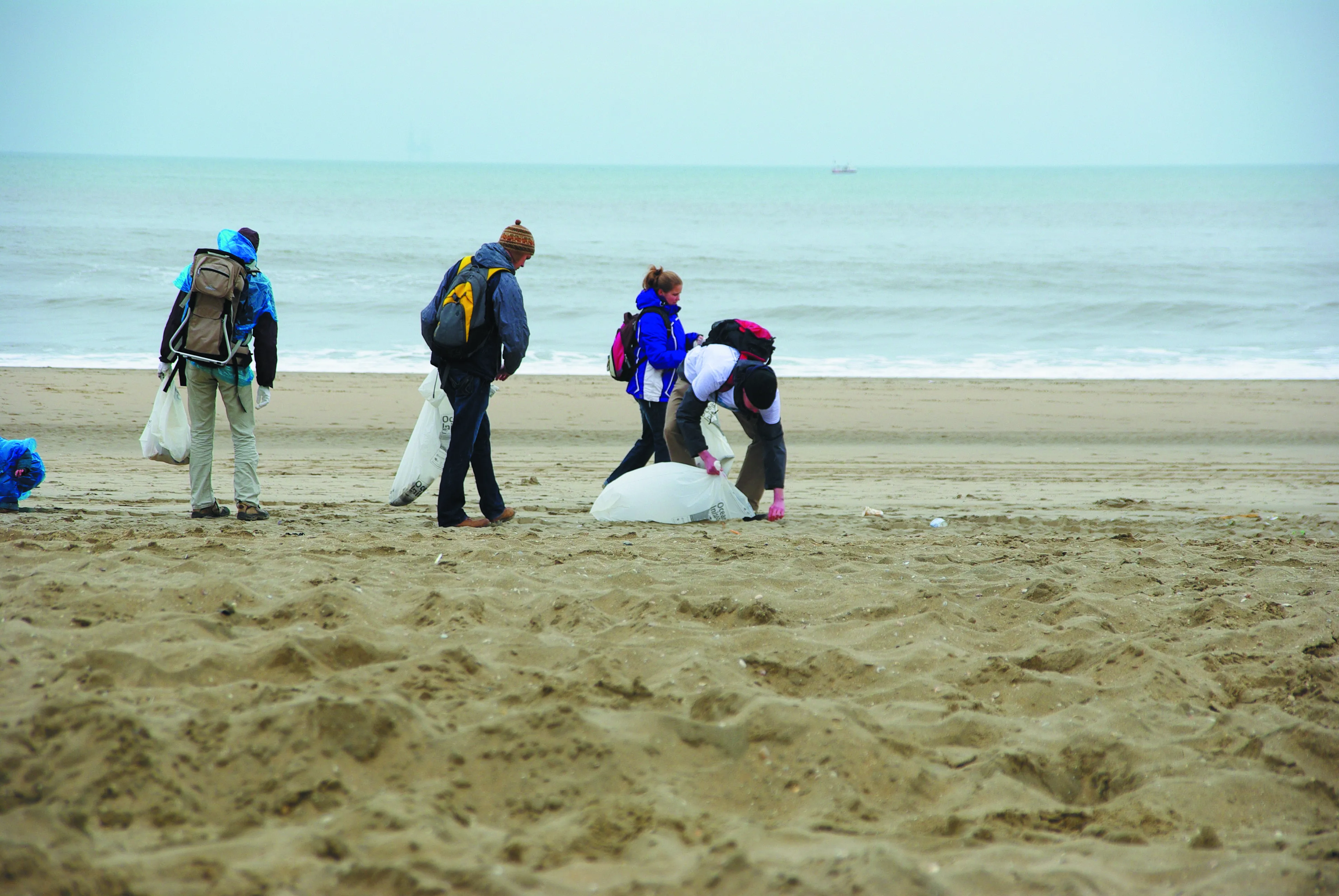
Florida’s coastline stretches more than 1,300 miles and attracts millions of visitors every year. With so many people enjoying the beaches, keeping these natural spaces clean is essential.
Trash left behind on beaches can eventually make its way into the ocean. Plastic bottles, food wrappers, fishing line, and other debris can harm marine animals through ingestion or entanglement.
A local beach cleanup can help:
|
Benefit |
How It Helps the Ocean |
|
Removes marine debris |
Prevents trash from reaching ocean habitats |
|
Protects wildlife |
Reduces risks for sea turtles, fish, birds, and other animals |
|
Improves beaches |
Creates cleaner spaces for visitors and local communities |
|
Educates volunteers |
Helps people understand the importance of ocean conservation |
|
Supports sustainability |
Encourages long term environmental responsibility |
Even a small cleanup can create a meaningful impact. A few hours spent collecting litter can remove hundreds of pieces of debris from entering Florida’s waterways.
Step 1: Choose a Florida Beach Cleanup Location
The first step in planning a beach cleanup is selecting a location. Florida has hundreds of beaches, but choosing the right spot can help make your cleanup more successful.
Consider:
-
A beach that receives heavy visitor traffic
-
Areas near waterways where debris collects
-
Locations with easy parking and access
-
Beaches where cleanup events are permitted
-
Areas where local organizations already support conservation efforts
Popular Florida beach destinations include:
|
Region |
Examples of Beaches |
Cleanup Considerations |
|
Central Florida Coast |
Cocoa Beach, Daytona Beach |
Popular visitor areas with frequent litter collection needs |
|
Gulf Coast |
Clearwater Beach, Sarasota beaches |
Important habitats for coastal wildlife |
|
South Florida |
Miami Beach, Fort Lauderdale Beach |
High traffic areas with significant visitor impact |
|
Northeast Florida |
Jacksonville Beach, St. Augustine Beach |
Coastal ecosystems and wildlife areas |
Before scheduling your cleanup, check local regulations and determine whether you need permission or permits. Many cities and counties have guidelines for organized volunteer events.
Step 2: Decide Who Will Participate
Beach cleanups can be organized for almost any group size. You can host a small family cleanup or coordinate a larger community event.
Some ideas include:
-
Family beach cleanup day
-
School environmental project
-
Corporate volunteer event
-
Scout group activity
-
Birthday celebration with a purpose
-
Community conservation event
Creating a group makes the cleanup more fun and helps spread awareness about protecting marine life.
When inviting volunteers, share important details ahead of time:
|
Information to Share |
Example Details |
|
Date and time |
Saturday morning from 9 a.m. to noon |
|
Meeting location |
Beach entrance or parking area |
|
What to bring |
Water bottle, sunscreen, reusable gloves |
|
Safety reminders |
Stay hydrated and avoid dangerous items |
|
Cleanup goals |
Number of bags collected or area covered |
Step 3: Gather Beach Cleanup Supplies
Preparing the right supplies will help your cleanup run smoothly. Many items are inexpensive and can be reused for future events.
Essential beach cleanup supplies include:
|
Supply |
Purpose |
|
Trash bags or collection buckets |
Collect litter and debris |
|
Gloves |
Protect hands while picking up waste |
|
Trash grabbers |
Help safely collect hard to reach items |
|
Recycling bags |
Separate recyclable materials |
|
Water bottles |
Keep volunteers hydrated |
|
Sunscreen |
Protect against Florida sun exposure |
|
First aid kit |
Prepare for minor injuries |
|
Hand sanitizer |
Clean hands after cleanup |
For a more eco friendly cleanup, consider using reusable buckets instead of disposable bags whenever possible.
Step 4: Learn What You Should and Should Not Collect
Beach cleanups often uncover a variety of items. While most litter can safely be removed, some items require extra caution.
Common items collected during Florida beach cleanups include:
-
Plastic bottles
-
Food packaging
-
Straws
-
Fishing line
-
Cigarette litter
-
Plastic fragments
-
Lost toys
-
Small pieces of marine debris
Some items should not be handled without proper equipment, including:
-
Medical waste
-
Sharp objects
-
Chemicals
-
Unknown containers
-
Dead wildlife
Safety should always come first. If you find something dangerous, contact local authorities or beach management.
Step 5: Create a Beach Cleanup Plan
A successful beach cleanup starts with a simple plan. Even a small event benefits from having clear goals, assigned responsibilities, and a schedule.
Before your cleanup day, decide:
-
How many volunteers you expect
-
Which section of the beach you will cover
-
How long the cleanup will last
-
Where collected trash will be placed
-
Who will handle recycling and disposal
-
How you will share your results
Setting goals can also motivate your volunteers. For example, your group may aim to collect a specific number of trash bags, remove a certain amount of marine debris, or clean a specific section of shoreline.
A simple cleanup plan might look like this:
|
Time |
Activity |
|
9:00 a.m. |
Volunteers arrive and check in |
|
9:15 a.m. |
Safety instructions and cleanup overview |
|
9:30 a.m. |
Beach cleanup begins |
|
11:00 a.m. |
Volunteers sort collected materials |
|
11:30 a.m. |
Group photo and cleanup recap |
Planning ahead helps everyone understand their role and creates a better experience for volunteers.
Step 6: Promote Your Florida Beach Cleanup
Getting the word out is one of the best ways to increase participation and inspire more people to care about ocean conservation.
Share your event through:
-
Social media
-
Community groups
-
School newsletters
-
Local organizations
-
Neighborhood apps
-
Workplace communication channels
When promoting your cleanup, include information that makes it easy for people to participate.
Example details to include:
|
Event Information |
Why It Matters |
|
Cleanup date |
Helps volunteers plan ahead |
|
Location |
Makes arrival simple |
|
Time commitment |
Lets people know what to expect |
|
Supplies provided |
Encourages participation |
|
Conservation goal |
Shows the purpose behind the event |
Consider sharing photos before and after your cleanup. Showing the impact your group made can encourage others to organize their own events.
Step 7: Make Your Beach Cleanup Family Friendly
Florida beach cleanups are a great way to teach kids about ocean conservation. Children can learn how everyday choices affect marine animals and habitats.
For families, make the experience educational and engaging by:
-
Creating a marine debris scavenger hunt
-
Teaching kids about local wildlife
-
Counting different types of litter collected
-
Explaining how trash affects ocean animals
-
Celebrating accomplishments afterward
A beach cleanup can also pair well with a visit to an aquarium, where children can see marine animals up close and learn about conservation.
At SEA LIFE Orlando Aquarium, guests can explore underwater habitats and discover animals from around the world while learning about the importance of protecting marine ecosystems. Interactive experiences help families understand how individual actions can contribute to ocean conservation.
Step 8: Track Your Beach Cleanup Results
One of the best ways to show the impact of your cleanup is by tracking what you collect.
Many conservation groups use marine debris data to better understand pollution trends and identify common sources of ocean litter.
During your cleanup, record:
-
Number of volunteers
-
Number of trash bags collected
-
Types of debris found
-
Total cleanup time
-
Area covered
Example cleanup results:
|
Cleanup Metric |
Example Result |
|
Volunteers |
25 community members |
|
Cleanup time |
2 hours |
|
Beach area covered |
Half mile shoreline |
|
Trash collected |
12 bags |
|
Most common item found |
Plastic wrappers |
Sharing this information helps others see the difference a local cleanup can make.
Step 9: Continue Supporting Ocean Conservation After Your Cleanup
A beach cleanup does not have to be a one time event. Small changes throughout the year can help protect marine environments.
Ways to continue supporting ocean conservation include:
-
Reducing single use plastics
-
Recycling correctly
-
Using reusable water bottles and bags
-
Choosing sustainable seafood options
-
Participating in future cleanups
-
Learning more about marine animals
Protecting the ocean requires ongoing action from individuals, communities, and conservation organizations.
Organizations like SEA LIFE Trust work to protect marine life and habitats through conservation initiatives, research, and education. SEA LIFE Trust focuses on creating a future where oceans are healthy and marine animals can thrive.
Every action, whether it is organizing a beach cleanup or making more sustainable choices at home, contributes to a healthier ocean.
Best Florida Beach Cleanup Tips for a Successful Event
Use these tips to make your cleanup safer, more enjoyable, and more impactful.
|
Tip |
Why It Helps |
|
Schedule your cleanup in the morning |
Avoids Florida’s hottest temperatures |
|
Check the weather forecast |
Helps keep volunteers safe |
|
Bring reusable supplies |
Reduces additional waste |
|
Separate recyclables |
Keeps useful materials out of landfills |
|
Educate volunteers |
Creates long term conservation awareness |
|
Take photos |
Helps inspire future participation |
How SEA LIFE Orlando Aquarium Supports Ocean Conservation
Visiting an aquarium is an opportunity to connect with marine life and better understand why ocean conservation matters.
SEA LIFE Orlando Aquarium gives guests the chance to discover fascinating underwater animals, explore ocean habitats, and learn about the challenges facing marine ecosystems.
Through educational experiences and conservation initiatives supported by SEA LIFE Trust, SEA LIFE inspires millions of guests worldwide to become advocates for the ocean.
SEA LIFE Trust supports projects focused on protecting marine animals, preserving habitats, and creating awareness about important ocean issues. By connecting guests with marine life, SEA LIFE helps demonstrate that everyone has a role in protecting our oceans.
A beach cleanup is one of the simplest ways to turn that message into action.
Florida Beach Cleanup Checklist
Use this checklist when planning your next coastal cleanup.
|
Task |
Complete |
|
Choose a beach location |
☐ |
|
Check local cleanup guidelines |
☐ |
|
Invite volunteers |
☐ |
|
Gather cleanup supplies |
☐ |
|
Share safety instructions |
☐ |
|
Collect and sort debris |
☐ |
|
Record cleanup results |
☐ |
|
Share your impact |
☐ |
|
Plan your next cleanup |
☐ |
Start Protecting Florida’s Beaches Today
Florida’s beaches are some of the most beautiful natural spaces in the world, providing important habitats for marine animals and unforgettable experiences for residents and visitors. Starting a beach cleanup is a simple way to give back to these environments while encouraging others to become more aware of ocean conservation.
You do not need a large organization, hundreds of volunteers, or years of experience to make an impact. A single person, family, classroom, or community group can help remove marine debris and create a cleaner coastline.
Every piece of trash removed from a beach is one less item that could reach the ocean. Every volunteer who joins a cleanup becomes another person who understands the importance of protecting marine life.
Whether you are exploring Florida’s coastline, visiting a local aquarium, or learning more about ocean conservation, small actions can create lasting change.
At SEA LIFE Orlando Aquarium, guests can continue their ocean journey by discovering incredible marine animals and learning how conservation efforts help protect underwater ecosystems. Through the work of SEA LIFE Trust and global conservation initiatives, SEA LIFE encourages everyone to take part in protecting the ocean.
The next beach cleanup could start with you.
Quick Guide: Starting a Beach Cleanup in Florida
|
Step |
Action |
|
1 |
Choose a Florida beach location |
|
2 |
Invite friends, family, or community members |
|
3 |
Gather cleanup supplies |
|
4 |
Create a safety plan |
|
5 |
Remove and properly sort marine debris |
|
6 |
Track your cleanup results |
|
7 |
Share your impact and continue conservation efforts |
Frequently Asked Questions About Starting a Beach Cleanup in Florida
To organize a beach cleanup in Florida, choose a beach location, check local guidelines, invite volunteers, gather supplies, and create a cleanup plan. Be sure to include safety instructions, proper waste disposal, and a way to track the amount of debris collected.
Common beach cleanup supplies include gloves, trash bags, reusable buckets, trash grabbers, recycling bags, sunscreen, water bottles, and a first aid kit. For larger events, consider providing volunteer check in materials and sorting stations for collected debris.
Common items found during Florida beach cleanups include plastic bottles, food packaging, straws, fishing line, cigarette litter, and small pieces of plastic debris. Removing these items helps reduce risks to marine animals that may accidentally ingest or become trapped by ocean pollution.
Yes, beach cleanups are a great educational activity for children when planned with safety in mind. Families can use cleanups as an opportunity to teach kids about marine animals, ocean conservation, and how everyday choices impact the environment.
SEA LIFE Trust supports global conservation efforts focused on protecting marine animals, habitats, and ocean ecosystems. Through conservation projects, education, and awareness initiatives, SEA LIFE Trust helps inspire people to take action and protect the future of our oceans.
Related blogs

Indoor Summer Attractions in Orlando for Families: A 2027 Guide
Orlando summers bring sunshine, high temperatures and afternoon showers. Discover how SEA LIFE Orlando Aquarium can fit into a flexible family itinerary, with underwater views, marine-life discovery and an indoor break on International Drive.
Related blog posts
Complete Guide to Sea Turtles in Florida
Florida is one of the world's most important homes for sea turtles. From nesting beaches along the Atlantic Coast to rehabilitation hospitals and aquariums where you can learn about marine conservation, discover everything you need to know about Florida's incredible sea turtles in this complete guide.
Related blog posts
Complete Guide to Sharks in Florida: Species, Migration, and Where to See Them at Aquariums
Florida is one of the best places in the world to learn about sharks. From migrating blacktip sharks along the coastline to colorful reef sharks found inside aquariums, discover Florida shark species, migration patterns, fun facts, and the best places to see sharks—including SEA LIFE Orlando Aquarium at ICON Park.
Related blog posts
Meet the Axolotls at SEA LIFE Orlando: Fun Facts About One of the World's Most Fascinating Amphibians
Meet one of nature's most extraordinary amphibians at SEA LIFE Orlando Aquarium. Learn amazing axolotl facts, discover why these smiling salamanders can regenerate limbs, and find out where to see them during your next Orlando family adventure.
Related blog posts
Ultimate Guide to Marine Life You Can See in Orlando
Looking for the best places to see sharks, sea turtles, stingrays, jellyfish, dolphins, penguins, and tropical fish in Orlando? This complete guide covers every major aquarium, marine attraction, and wildlife destination across Central Florida, helping families, animal lovers, and vacation planners build the ultimate aquatic itinerary.
Related blog posts
Meet Chely the Green Sea Turtle
One of the best places to see sea turtles in Orlando is SEA LIFE Orlando Aquarium, home to rescued Green Sea Turtle Chely and Loggerhead Sea Turtle Ted. Guests can see these incredible marine animals year-round while exploring Florida's only 360° Ocean Tunnel and learning about sea turtle rescue, rehabilitation, and ocean conservation.
Related blog posts
Meet Ted the Famous Loggerhead Turtle at SEA LIFE Orlando Aquarium
Discover Ted the rescued loggerhead sea turtle at SEA LIFE Orlando Aquarium at ICON Park. Learn his conservation story, where to see him, fun facts, and why he’s Orlando’s most-loved animal.
Related blog posts