Meet the Axolotls at SEA LIFE Orlando: Fun Facts About One of the World's Most Fascinating Amphibians
- Friday August 7th 2026
- Author: Matt Meyers
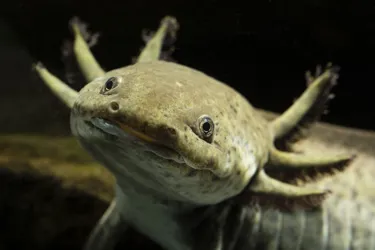
If you're searching for one of the most unique animals to see in Orlando, look no further than the adorable axolotls at SEA LIFE Orlando Aquarium. Known for their permanent smile, fluffy external gills, and incredible ability to regenerate body parts, axolotls have become one of the world's most talked-about amphibians.
Whether you've discovered them through science, social media, Minecraft, or simply love unusual animals, seeing a real axolotl up close is an unforgettable experience.
At SEA LIFE Orlando Aquarium, guests can meet these fascinating creatures while learning about their biology, conservation, and why protecting freshwater habitats around the world is so important.
Quick Facts About Axolotls
|
Fact |
Details |
|
Scientific Name |
Ambystoma mexicanum |
|
Common Name |
Axolotl |
|
Animal Type |
Amphibian (Salamander) |
|
Native Habitat |
Lake Xochimilco, Mexico City |
|
Average Length |
6–18 inches |
|
Lifespan |
10–15 years in human care |
|
Diet |
Worms, insects, crustaceans, small fish |
|
Conservation Status |
Critically Endangered |
|
Famous Ability |
Can regenerate limbs, spinal cord, heart tissue and parts of the brain |
What Is an Axolotl?
Despite their nickname, "Mexican walking fish," axolotls are not fish at all.
They're actually amphibians and belong to the salamander family. Unlike most amphibians, axolotls never complete the typical transformation into an adult land-dwelling salamander.
Instead, they remain aquatic throughout their lives while keeping many of their juvenile characteristics, a rare biological phenomenon called neoteny.
This unique adaptation gives axolotls their signature appearance:
-
Feather-like external gills
-
Wide smiling face
-
Flat tail for swimming
-
Small legs
-
Smooth skin
These features have made axolotls one of the internet's favorite animals and a popular subject for scientists around the world.
Meet the Axolotls at SEA LIFE Orlando Aquarium
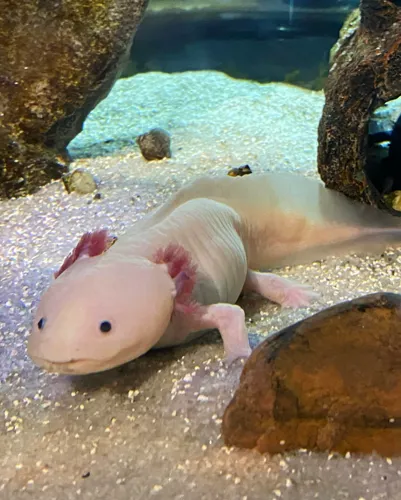
One of the highlights of visiting SEA LIFE Orlando Aquarium is seeing these remarkable amphibians in person.
Watching an axolotl glide gracefully through the water is very different from seeing one in a photo. Guests can observe:
-
Their feathery gills moving as they breathe
-
Their slow, graceful swimming
-
Curious behavior around their habitat
-
Their distinctive facial expressions
-
Their unique body features up close
SEA LIFE's habitats are designed to help guests appreciate aquatic life while learning how freshwater ecosystems support species from around the globe.
For children especially, axolotls often become one of the most memorable animals they encounter during their aquarium adventure.
Why Are Axolotls So Special?
Few animals on Earth possess abilities as extraordinary as an axolotl.
Incredible Regeneration
Perhaps their most famous ability is regeneration.
Axolotls can regrow:
-
Entire legs
-
Feet
-
Tail
-
Parts of their heart
-
Sections of their spinal cord
-
Skin
-
Jaw tissue
-
Portions of their brain
Scientists continue studying axolotls because understanding how they regenerate tissue may one day contribute to advances in regenerative medicine.
They Stay Young Forever
Most salamanders undergo metamorphosis.
Axolotls don't.
Instead of developing lungs and moving onto land permanently, they remain fully aquatic throughout their lives while retaining their larval features.
This biological characteristic makes them one of the most unusual amphibians on Earth.
They Breathe Multiple Ways
Axolotls are surprisingly versatile.
They can breathe through:
-
External gills
-
Lungs
-
Their skin
Those iconic fluffy gills aren't just adorable, they're highly efficient organs that extract oxygen from the water.
Where Do Axolotls Live?
Today, wild axolotls are found naturally in only one place:
Lake Xochimilco, near Mexico City.
Unfortunately, urban development has dramatically reduced their habitat over the past century.
Pollution, invasive fish species, habitat fragmentation, and declining water quality have all contributed to severe population declines.
Today, axolotls are considered Critically Endangered in the wild.
Why Are Axolotls Endangered?
Several environmental challenges threaten wild populations.
|
Threat |
Impact |
|
Habitat Loss |
Shrinking freshwater wetlands |
|
Pollution |
Reduces water quality |
|
Invasive Species |
Predation on eggs and juveniles |
|
Urban Development |
Habitat fragmentation |
|
Climate Change |
Alters freshwater ecosystems |
Learning about these threats helps visitors understand why conservation efforts matter for freshwater wildlife worldwide.
What Do Axolotls Eat?
Axolotls are carnivores.
In the wild, they eat a variety of small aquatic animals including:
-
Worms
-
Insect larvae
-
Crustaceans
-
Small fish
-
Mollusks
Using suction, they quickly pull prey into their mouths.
Although they appear gentle, axolotls are efficient hunters perfectly adapted to life underwater.
Amazing Axolotl Facts Kids Love
Children love discovering just how unusual axolotls are.
1. They Can Regrow Body Parts
It's like having a real-life superhero living underwater.
2. They Always Look Like They're Smiling
Their facial structure naturally creates their famous grin.
3. They're Salamanders
Many visitors are surprised to learn they aren't fish.
4. They Can Live More Than 10 Years
With proper care, axolotls may live for well over a decade.
5. They Come in Different Colors
Depending on genetics, axolotls may appear:
-
Pink
-
White
-
Brown
-
Black
-
Golden
-
Speckled
6. They Have Excellent Senses
Although their eyesight isn't particularly strong, axolotls rely on movement, smell, and specialized sensory systems to locate food.
7. They Rarely Blink
Since they have no eyelids, axolotls always appear wide awake.
Axolotl Myth vs. Fact
|
Myth |
Reality |
|
They're fish |
They're amphibians |
|
They only breathe through gills |
They breathe through gills, lungs and skin |
|
They can't regenerate much |
They regenerate multiple body parts |
|
They live all over the world |
Wild populations exist naturally only in Mexico |
|
They're common in nature |
They're critically endangered in the wild |
Why Scientists Study Axolotls
Axolotls are among the most important animals in biological research.
Researchers study them to better understand:
-
Tissue regeneration
-
Wound healing
-
Organ repair
-
Stem cell biology
-
Developmental biology
Their remarkable healing abilities continue inspiring new scientific discoveries.
Freshwater Animals Matter Too
While oceans often receive much of the spotlight, freshwater habitats support incredible biodiversity.
Aquatic environments like rivers, lakes, ponds, and wetlands are home to thousands of fascinating species.
By meeting animals like axolotls, guests gain a greater appreciation for freshwater ecosystems and why protecting them is essential for wildlife around the world.
Why Families Love Seeing Axolotls
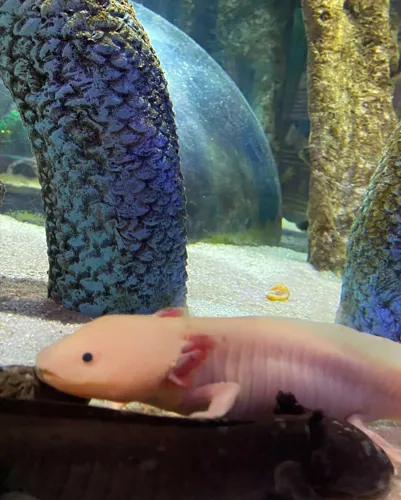
Families often spend extra time at the axolotl habitat because these unique amphibians are:
-
Cute and expressive
-
Easy for young children to observe
-
Full of surprising science facts
-
Great conversation starters
-
Excellent ambassadors for conservation
Whether you're introducing young children to amphibians for the first time or you're already an axolotl enthusiast, they're always a guest favorite.
Tips for Seeing the Axolotls During Your Visit
To make the most of your aquarium visit:
-
Take your time observing their behavior.
-
Watch their feathery gills gently moving through the water.
-
Read the educational displays to learn more about their biology and conservation.
-
Ask an Aquarium Expert if they're nearby, they're happy to answer questions about the animals in their care.
-
Explore the rest of the aquarium to discover sharks, jellyfish, seahorses, rays, and hundreds of other amazing marine and freshwater creatures.
What Else Can You Discover at SEA LIFE Orlando?
Your visit doesn't stop with axolotls. Throughout the aquarium, you'll encounter incredible aquatic animals from around the world, including:
|
Experience |
Highlights |
|
Walk beneath sharks and graceful rays |
|
|
Watch mesmerizing jellyfish drift through illuminated displays |
|
|
Discover one of the ocean's most unique fish |
|
|
Observe rays gliding effortlessly through the water |
|
|
Coral Reef Displays |
Explore colorful tropical fish and reef ecosystems |
|
Freshwater Species |
Learn about unique animals like the axolotl and other freshwater inhabitants |
Together, these immersive exhibits inspire curiosity about aquatic life while highlighting the importance of protecting our oceans, rivers, lakes, and wetlands.
Why Axolotls Inspire the Next Generation of Ocean and Freshwater Conservationists
Every animal at SEA LIFE Orlando Aquarium tells an important conservation story—and axolotls are no exception.
Their journey from the freshwater canals of Mexico to becoming one of the world's most recognizable amphibians demonstrates both the beauty and fragility of aquatic ecosystems. By learning about their incredible biology and the challenges they face in the wild, guests leave with a deeper appreciation for the importance of protecting freshwater habitats.
Whether you're a lifelong wildlife enthusiast, planning a family vacation in Orlando, or introducing children to amphibians for the first time, meeting the axolotls is an experience that's equal parts educational, inspiring, and unforgettable.
Next time you visit SEA LIFE Orlando Aquarium, don't forget to stop by and say hello to these remarkable "smiling salamanders", one of nature's greatest success stories in adaptation, resilience, and scientific discovery.
Axolotl at a Glance
|
Category |
Information |
|
Animal |
Axolotl |
|
Classification |
Amphibian |
|
Family |
Salamander |
|
Native Range |
Lake Xochimilco, Mexico |
|
Conservation Status |
Critically Endangered |
|
Diet |
Carnivore |
|
Famous For |
Limb regeneration |
|
Great For |
Families, kids, animal lovers, STEM learning |
Frequently Asked Questions
Yes! Guests can meet axolotls during their visit to SEA LIFE Orlando Aquarium and learn about their unique biology, life cycle, and conservation through engaging exhibits and educational interpretation.
Axolotls are amphibians. They belong to the salamander family, even though they're often called the "Mexican walking fish."
Axolotls are famous for their extraordinary ability to regenerate limbs, organs, spinal tissue, and other body parts. They're also known for their distinctive smiling faces and feathery external gills.
Yes. Wild axolotls are classified as Critically Endangered due to habitat loss, pollution, invasive species, and environmental changes in their native freshwater habitat.
Along with axolotls, visitors can discover sharks, rays, jellyfish, seahorses, clownfish, eels, coral reef fish, and hundreds of other fascinating aquatic creatures throughout the aquarium.
Related blogs
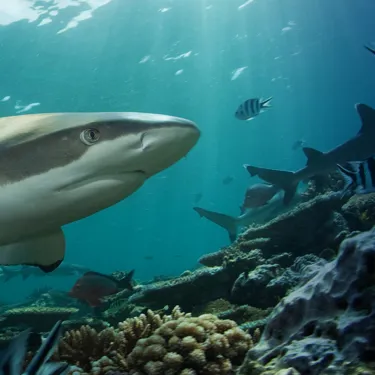
Complete Guide to Sharks in Florida: Species, Migration, and Where to See Them at Aquariums
Florida is one of the best places in the world to learn about sharks. From migrating blacktip sharks along the coastline to colorful reef sharks found inside aquariums, discover Florida shark species, migration patterns, fun facts, and the best places to see sharks—including SEA LIFE Orlando Aquarium at ICON Park.
Related blog posts
Complete Guide to Sea Turtles in Florida
Florida is one of the world's most important homes for sea turtles. From nesting beaches along the Atlantic Coast to rehabilitation hospitals and aquariums where you can learn about marine conservation, discover everything you need to know about Florida's incredible sea turtles in this complete guide.
Related blog posts
Ultimate Guide to Marine Life You Can See in Orlando
Looking for the best places to see sharks, sea turtles, stingrays, jellyfish, dolphins, penguins, and tropical fish in Orlando? This complete guide covers every major aquarium, marine attraction, and wildlife destination across Central Florida, helping families, animal lovers, and vacation planners build the ultimate aquatic itinerary.
Related blog posts
Best Things to Do on International Drive in Orlando With Kids in Summer 2027
Planning a summer trip to Orlando? Discover family-friendly things to do on International Drive in 2027, from exploring marine life at SEA LIFE Orlando Aquarium to visiting ICON Park attractions, finding places to eat and building a flexible itinerary around Florida's summer weather.
Related blog posts
Meet Chely the Green Sea Turtle
One of the best places to see sea turtles in Orlando is SEA LIFE Orlando Aquarium, home to rescued Green Sea Turtle Chely and Loggerhead Sea Turtle Ted. Guests can see these incredible marine animals year-round while exploring Florida's only 360° Ocean Tunnel and learning about sea turtle rescue, rehabilitation, and ocean conservation.
Related blog posts
Meet Ted the Famous Loggerhead Turtle at SEA LIFE Orlando Aquarium
Discover Ted the rescued loggerhead sea turtle at SEA LIFE Orlando Aquarium at ICON Park. Learn his conservation story, where to see him, fun facts, and why he’s Orlando’s most-loved animal.
Related blog posts
Meet the Bamboo Shark at SEA LIFE Orlando: Fun Facts for Kids & Families
Discover fun bamboo shark facts at SEA LIFE Orlando Aquarium! Learn what bamboo sharks eat, where they live, and why they’re featured in the Summer of Sharks event.
Related blog posts
Bonnethead Sharks: Fun Facts About Florida's Friendly Hammerhead Relative
Discover fun bonnethead shark facts at SEA LIFE Orlando Aquarium! Learn where bonnethead sharks live, what they eat, how they're related to hammerheads, and why they're a must-see during Summer of Sharks.
Related blog posts
Zebra Shark Facts: One of the Ocean's Most Beautiful Sharks
Discover amazing zebra shark facts at SEA LIFE Orlando Aquarium! Learn where zebra sharks live, what they eat, why they change spots as they grow, and see them during Summer of Sharks.
Related blog posts
Coral Catsharks: Everything You Need to Know About These Camouflaged Sharks
Discover fascinating coral catshark facts, their unique adaptive camouflage, and how to see them at SEA LIFE Orlando's Summer of Sharks event.
Related blog posts