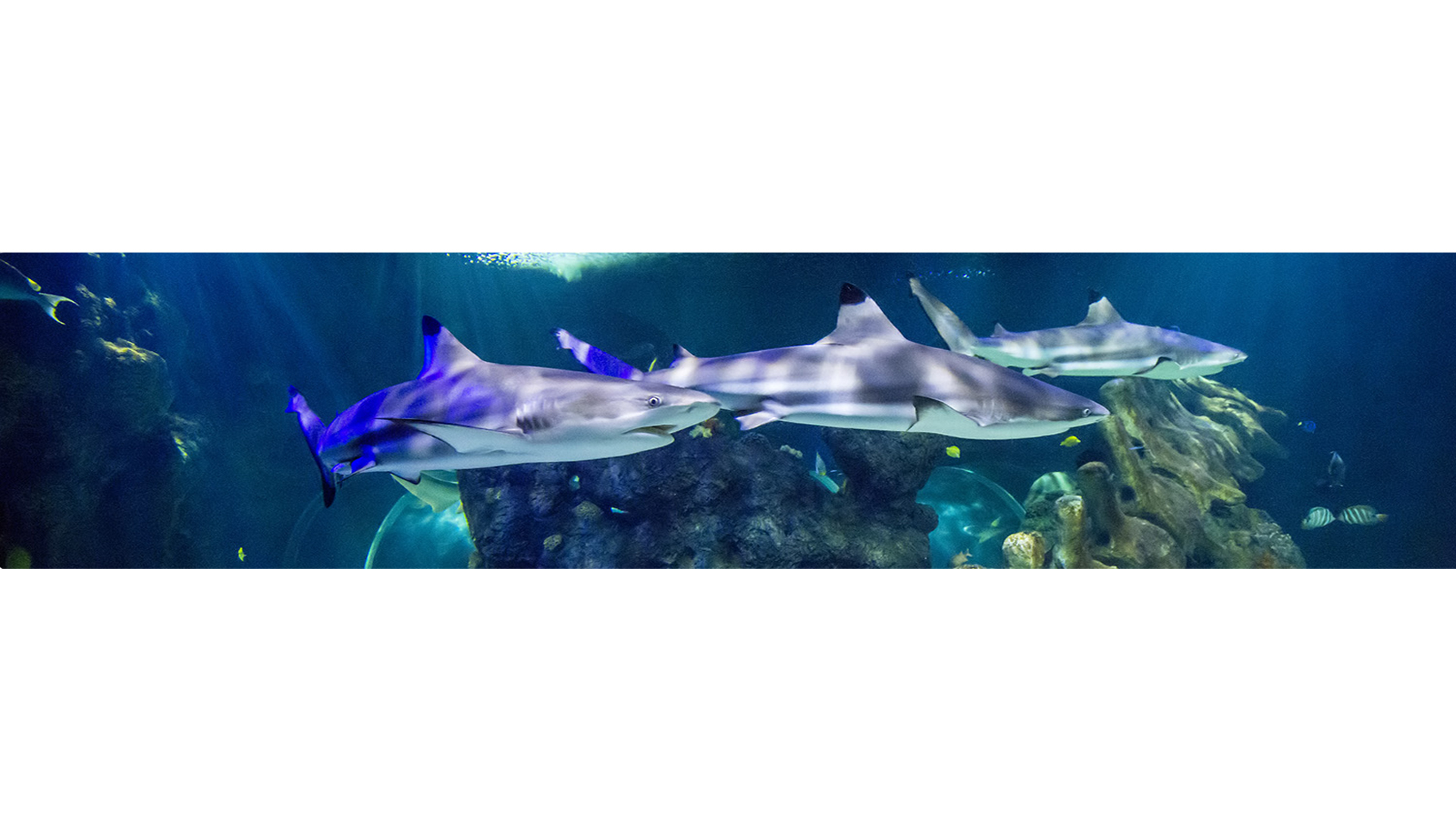

Blacktip Reef Shark
- The blacktip shark is a medium-sized species, with a body length ranging between 160 and 200 centimeters.
- It is characterized by a broad, blunt snout and a dorsal fin that begins exactly at the level of the inner margin of its pectoral fins.
- Its fins end in an intense black coloration, which gives the species its characteristic name.
- It feeds mainly on small fish, crustaceans, and cephalopods. It often hunts in groups and can make quick movements among the corals.

Green Sea Turtle
- The green sea turtle is one of the most famous species of sea turtles in the world.
- Their diet of algae and seagrass is what gives them this unique internal tint, which is precisely where its name comes from.
- It is found in all tropical and subtropical seas, including the Mediterranean Sea.
- Since 1988, the green sea turtle has been under international protection to ensure its survival.
- Global warming represents a threat to its population; as the temperature of the nesting sand increases, more females are born than males, which creates an imbalance within the species

Common Octopus
One of our most fascinating residents at SEA LIFE Benalmádena is the octopus.
- It possesses intelligence comparable to that of a dog; it is an extremely curious animal with a great capacity for learning.
- The octopus often camouflages its hiding spot with stones and shells, adapting it perfectly to its surroundings.
- A surprising fact is that, because its blue-green blood is very thick, it needs three hearts to pump it.
- Additionally, it has eight tentacles equipped with suckers that allow it to grip the ground tightly or catch its prey.
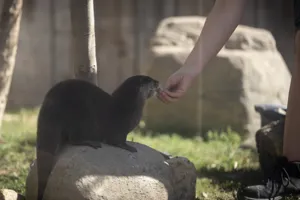
Asian Small-clawed Otter
Our otters have a very fluffy appearance, and for a good reason!
- With more than 50,000 hairs per square centimeter, they possess the densest fur in the entire animal kingdom.
- This extreme fur density isn't just for looks; it serves as a perfect insulating layer to keep their bodies dry and warm while they dive in search of food.
- They have a very varied diet: meat, fish, and even peanuts, which they use to clean their teeth.
-
Otters under threat - The International Union for Conservation of Nature considers this species as vulnerable. The main causes of the decline of otter populations are habitat loss, pollution and hunting.
Sea creatures.
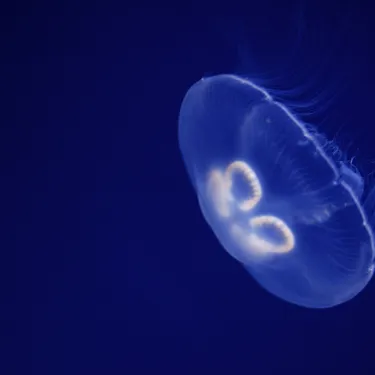
Moon Jellyfish
Jellyfish are made up of more than 95% water and have no brain or heart.
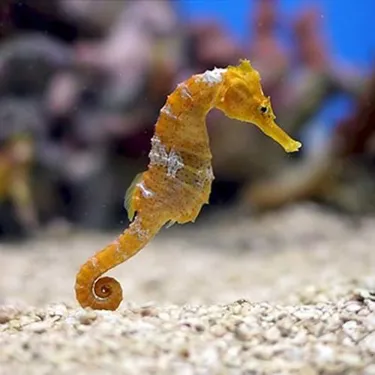
Seahorses
Perhaps the coolest thing about this group is that the males brood their babies! A male Seahorse has a brooding pouch on its belly into which a female can place her eggs.
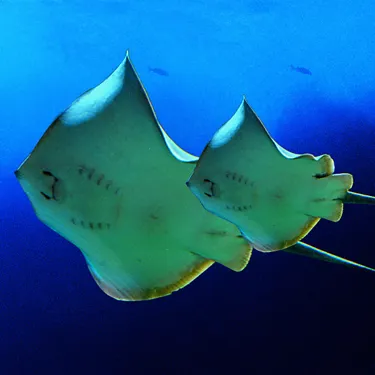
Rays
Rays are one of the most graceful and beautiful creaturres, throgh many people think they look odd with their mouths on their underside and their eyes on top.
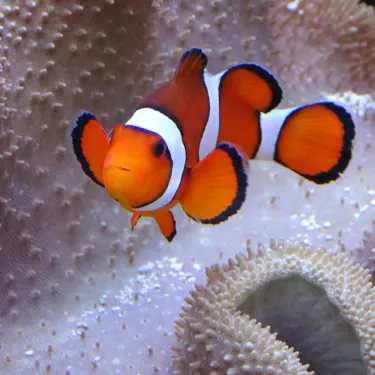
Clownfish
Male Clownfish are very devoted parents. They look after the eggs, fanning them to keep them oxygenated.
