- SEA LIFE Constance, Polar Adventure
Meet our gentoo penguins
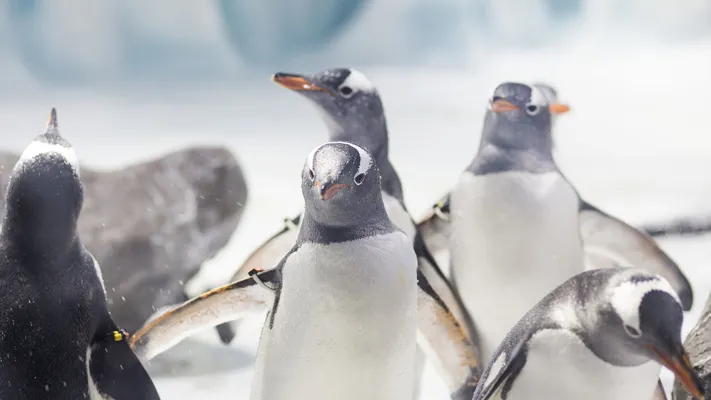
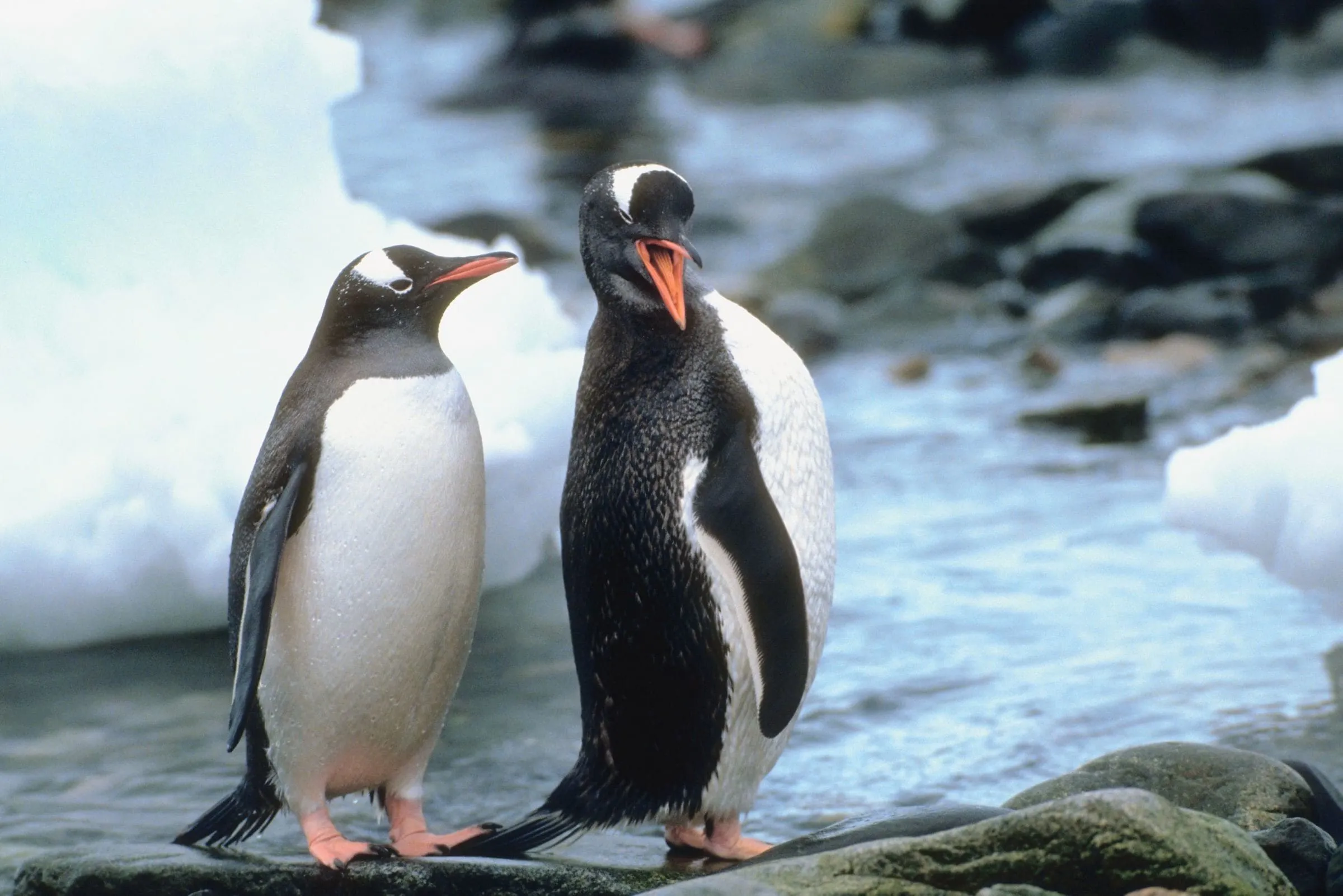
Gentoo penguins (Pygoscelis papua) are the third-largest penguin species; only the emperor and king penguins are larger. Here in our Antarctic exhibit, you can get to know these fascinating and potentially endangered animals better.
Life in the Cold
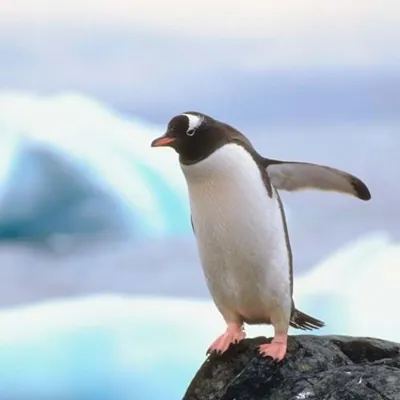
Gentoo penguins live in the wild in one of the harshest landscapes on Earth, so this species is particularly well-adapted to life in the cold. Their bodies are covered with an insulating layer of fat, and they eat a lot of fish to maintain this layer. They also have a layer of woolly, insulating feathers covered by a second layer of smooth feathers, which help keep the heat in and the cold water out. To be completely waterproof, the outer feathers are also coated with oil from the uropygial gland.
A state-of-the-art air filter ensures that the penguins always breathe clean, unpolluted air. In addition, special lamps not only replicate the spectral composition of the light in the Falkland Islands but also realistically simulate sunrises and sunsets, ensuring that the animals receive vital UV rays.
Winter is coming
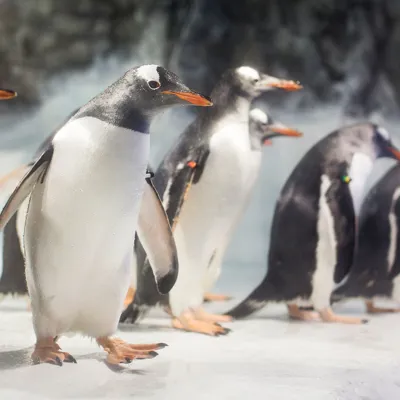
During the winter months, you’ll notice that the lighting in our penguin area dims or transitions to a red sunset cycle, and that the penguins settle down for the night. We do this to ensure that we replicate the conditions in the Southern Hemisphere—where gentoo penguins live. The varying light and temperature cycles are designed to promote the penguins’ natural seasonal behavior, including annual molting, nesting, and breeding. At this time of year, this means that the sun sets earlier in Antarctica. This practice is based on years of global experience aimed at creating the best possible conditions and ensuring that gentoo penguins breed successfully.
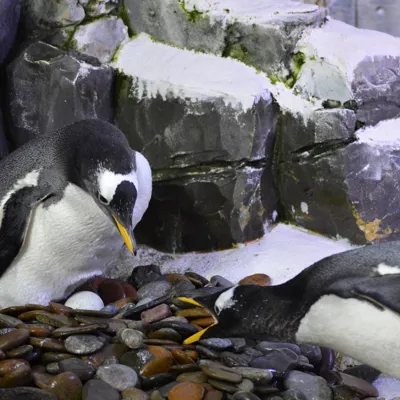
Love is in the air
The gentoo penguin is monogamous, which means that two penguins pair up before the breeding season and share all tasks—such as nest-building, guarding the nest, incubating the eggs, and raising the chicks—equally. It is not uncommon for penguins to remain faithful to one another for life, but on average, a pair stays together for only about three breeding seasons before both birds begin looking for new partners.
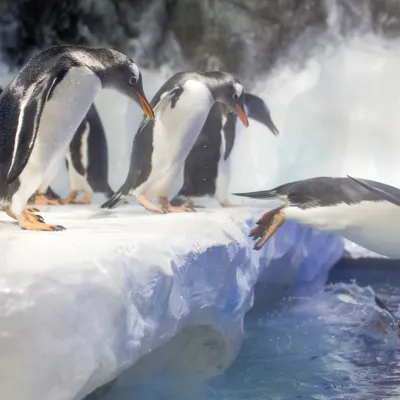
Penguins are playful!
They love sliding down icy slopes on their bellies and taking turns diving into the sea. Did you know that their black-and-white coloring is a form of camouflage? It helps them blend in with the light-colored water’s surface when predators from deeper layers try to attack them, and at the same time, they’re hard for predators above them to spot because their dark backs blend in with the dark seafloor.
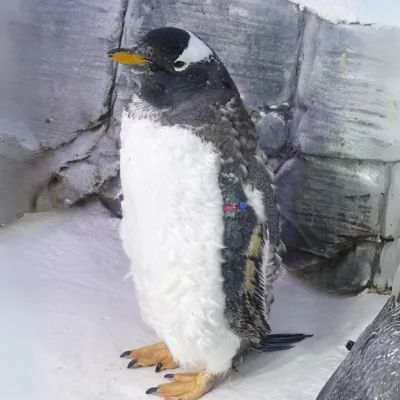
Molting
Gentoo penguins go through a process called “catastrophic molting.” Once a year, they shed all their feathers at once and replace them with a brand-new set. During this time, they are not waterproof for about two weeks, so they cannot eat during this period (just as they cannot in the wild). That is why they eat a lot of extra food beforehand and gain a significant amount of weight to ensure they have sufficient energy reserves for this process.
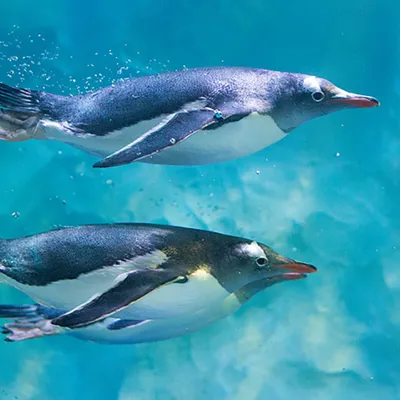
Let's go swimming
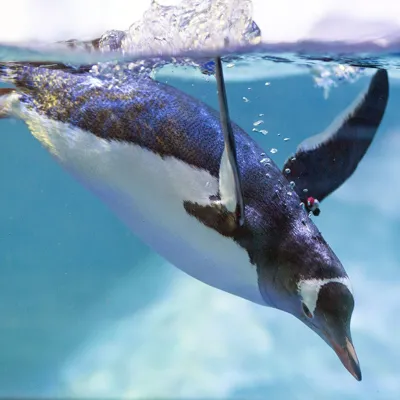
Penguins are found almost exclusively in the Southern Hemisphere. They are flightless birds, but they can swim through the water like a torpedo to catch fish! In the wild, they eat fish, squid, and shrimp. The color of the shrimp they eat stains their feet and beaks orange. They also feed their chicks by regurgitating partially digested food directly into their mouths. YUCK!
Threatened Habitat
More than half of all penguin species are classified as endangered. Penguin populations are threatened by human-caused hazards such as oil spills, bycatch, overfishing, habitat loss, and climate change.
Unsustainable fishing practices are depleting the food sources of gentoo penguins, and increasing marine pollution is causing the animals to ingest more microplastics.
To help our feathered friends, choose sustainable seafood and reduce single-use plastic by switching to reusable products.
Nature Conservation
Gentoo penguins live on the sub-Antarctic islands, which are quite mountainous and surrounded by low-lying pebble beaches. These beaches are home to the penguins—but climate change is now threatening this habitat. As the ice caps melt and sea levels rise, these pebble beaches are slowly but surely being covered, leaving the penguins with less and less space to live.
We can all do our part to reduce the effects of climate change. Turn off electronic devices when they’re not in use, turn off the lights, and use alternative modes of transportation like bicycles or trains.
We’re partnering with the Antarctic Research Trust to support Antarctic and sub-Antarctic animals and better protect their habitats.