The Ultimate Guide to September Homeschool Field Trips at SEA LIFE Orlando Aquarium
- Wednesday September 9th 2026
- Author: Matt Meyers
The Ultimate Guide to September Homeschool Field Trips at SEA LIFE Orlando
September is a great time to settle into a new homeschool routine. After the excitement of summer, families are often looking for activities that get kids out of the house, encourage hands-on learning and connect lessons to the real world.
A homeschool field trip to SEA LIFE Orlando Aquarium offers all three.
Located at ICON Park on International Drive, SEA LIFE Orlando brings students face to face with sharks, rays, sea turtles, seahorses and hundreds of other marine animals. More importantly, an aquarium visit can turn topics that may feel abstract in a textbook into something students can actually see and experience.
From animal adaptations and ecosystems to food chains, habitats and ocean conservation, there are plenty of ways to build a science lesson around a visit to SEA LIFE Orlando.
For organized local homeschool groups serving students in grades K through 12, SEA LIFE Orlando offers homeschool group rates starting at $13.99 per person. Groups must have at least 10 people and reservations are required at least 14 days before the visit.
Here is how to make the most of a September homeschool field trip to SEA LIFE Orlando.
Why Choose an Aquarium for a Homeschool Field Trip?
One of the biggest benefits of homeschooling is the ability to take learning beyond the traditional classroom.
A field trip to an aquarium creates an opportunity for students to observe living animals, ask questions and connect what they see with concepts they have been studying at home.
At SEA LIFE Orlando, students can explore marine habitats while learning about topics such as animal behavior, adaptations, ecosystems, anatomy, water chemistry and conservation. The aquarium also provides educational resources that can be used before, during and after a visit.
What students can explore at SEA LIFE Orlando
|
Homeschool Subject |
What Students Can Explore |
|
Marine Biology |
Sharks, rays, sea turtles, seahorses and other marine animals |
|
Animal Science |
Animal behavior, anatomy and adaptations |
|
Ecology |
Habitats, ecosystems and food chains |
|
Environmental Science |
Human impact and ocean conservation |
|
Geography |
Oceans, waterways and marine habitats around the world |
|
Literacy |
Observation, reading, comprehension and creative writing |
|
STEM |
Water chemistry, biology and scientific observation |
This makes an aquarium field trip flexible enough for multiple ages and learning styles.
Younger children might focus on identifying animals and habitats, while older students can investigate adaptations, ecosystems or the effects of human activity on marine environments.
September Is a Great Month for a Homeschool Field Trip
September can be an ideal time to establish a regular field trip rhythm for the new homeschool year.
Instead of treating a field trip as a break from school, families can make it part of the curriculum.
For example, a September visit to SEA LIFE Orlando could serve as the starting point for an entire week of marine science activities.
Before the visit: Introduce students to ocean habitats and marine animals.
During the visit: Have students observe animals and complete an exploration activity.
After the visit: Use what they learned to create a project, report, drawing, presentation or conservation activity.
This approach helps turn a few hours at the aquarium into a broader learning experience.
How to Plan Your September Homeschool Field Trip
Planning a homeschool field trip does not have to be complicated. A little preparation can make the day much easier for parents, students and other participating families.
1. Decide Who Will Attend
SEA LIFE Orlando's homeschool group pricing is available to organized, local homeschool groups serving children in grades K through 12. A minimum of 10 people is required to qualify for group pricing.
If you are part of a homeschool co-op, learning pod or local homeschool organization, September can be a good opportunity to organize a group outing.
Before choosing a date, create a simple headcount that includes students and adults.
2. Reserve in Advance
Homeschool groups need to make advance online reservations at least 14 days before their visit. Current homeschool group admission starts at $13.99 per person, with combo tickets including Madame Tussauds Orlando starting at $20.99 per person.
Because group visits require planning, it is best to choose your September date early rather than waiting until the week of your intended visit.
3. Choose a Learning Theme
Give your field trip a purpose.
Rather than simply telling students they are going to the aquarium, introduce a question they will investigate during the visit.
Try questions such as:
-
How do marine animals survive in their habitats?
-
Why do sharks have different body shapes?
-
How do animals protect themselves?
-
What makes an ecosystem work?
-
How are humans affecting ocean environments?
-
What adaptations help animals find food?
A simple question can encourage students to pay closer attention to what they see.
Five Marine Science Topics to Explore
A homeschool aquarium field trip can connect to a surprisingly broad range of science topics.
1. Animal Adaptations
Adaptations are one of the easiest concepts to explore during an aquarium visit.
Ask students to look closely at different animals and consider how their bodies help them survive.
A shark's body, a ray's flattened shape or a sea turtle's shell can all lead to conversations about movement, feeding, protection and survival.
For older students, turn the activity into an adaptation investigation.
Have them choose one animal and identify three physical or behavioral adaptations that help it survive.
2. Habitats and Ecosystems
An aquarium provides an opportunity to talk about where animals live and how those environments support life.
Students can compare different habitats and consider questions such as:
-
What does this animal need to survive?
-
What does it eat?
-
What eats it?
-
Where does it find shelter?
-
What environmental conditions does it require?
This naturally leads into lessons about ecosystems and food webs.
3. Food Chains
Food chains can be difficult for younger students to visualize on paper.
Seeing real animals can make the concept more concrete.
Challenge students to create a simple food chain based on animals they encounter during the visit.
Older students can take the activity further by creating a food web and considering what could happen if one species disappeared.
4. Animal Behavior
Observation is an important part of science.
Encourage students to spend time watching an animal before writing anything down.
What is it doing?
Is it moving continuously or staying still?
Is it alone or interacting with other animals?
How does it respond to its surroundings?
Students can record observations and separate what they see from what they think the animal is doing.
That distinction introduces an important scientific skill.
5. Ocean Conservation
A visit to an aquarium can also introduce students to environmental stewardship.
SEA LIFE Orlando emphasizes helping children develop a connection with the ocean and understand ways they can help protect marine environments.
After the visit, challenge students to choose one ocean conservation issue they want to learn more about.
They could research plastic pollution, habitat loss, overfishing or another issue affecting marine ecosystems.
Then ask them to come up with one action their family could take to help.
Turn the Aquarium Into a Self Guided Science Lesson
One of the easiest ways to add an educational component to your visit is to give every student a simple observation sheet.
SEA LIFE Orlando provides free educational resources, including pre visit and post visit lesson plans and self guided tour packets.
The aquarium's educational resources cover areas including animal behavior, habitats, adaptations, ecosystems, anatomy and water chemistry.
Parents can use these resources to build a field trip lesson without having to create everything from scratch.
Sample Aquarium Explorer Sheet
|
Question |
Student Response |
|
What is the most interesting animal you saw? |
|
|
What habitat does it live in? |
|
|
What does its body tell you about how it survives? |
|
|
What does it eat? |
|
|
Did you observe any interesting behavior? |
|
|
What is one new fact you learned? |
|
|
What can people do to protect this animal or its habitat? |
For younger children, turn the sheet into an animal scavenger hunt.
For older students, ask them to support their answers with observations.
Make the Field Trip Work for Different Ages
One advantage of a homeschool group is that students do not have to be in the same grade to learn together.
The same aquarium exhibit can support different assignments for different ages.
|
Age Group |
Suggested Activity |
|
Preschool and Kindergarten |
Identify colors, shapes and animals |
|
Elementary |
Animal adaptations and habitats |
|
Upper Elementary |
Food chains and ecosystems |
|
Middle School |
Marine biology and environmental science |
|
High School |
Conservation, ecosystem relationships and scientific observation |
This makes SEA LIFE Orlando a flexible destination for homeschool families with multiple children.
Younger students can focus on discovery and observation while older students work on more detailed science concepts.
What Can Students See at SEA LIFE Orlando?
SEA LIFE Orlando offers an immersive environment where students can encounter a variety of marine animals and habitats.
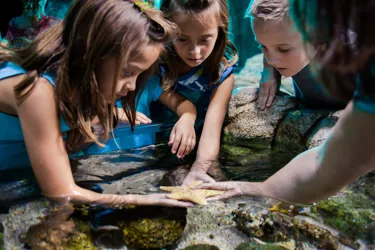
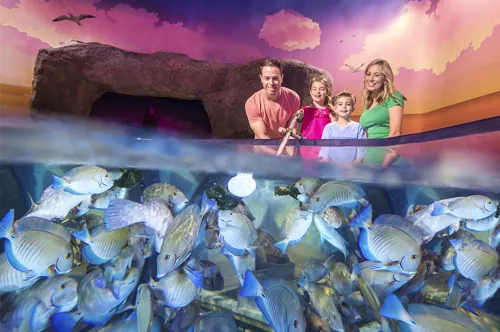
The homeschool experience includes opportunities to see sharks, rays, sea turtles and other creatures, as well as explore the aquarium's 360 degree ocean tunnel. Students can also experience the coastal rockpool touch tank, where available, for an opportunity to interact with sea stars and sea anemones.
That variety gives homeschool families plenty of opportunities to slow down and observe.
Instead of trying to rush through every exhibit, choose a few animals or habitats that connect directly to your current science lessons.
A Sample September Homeschool Field Trip Schedule
A simple schedule can help parents keep the day organized without making the experience feel overly structured.
|
Time |
Activity |
|
Before arrival |
Review marine science topic |
|
Arrival |
Check in and organize students |
|
First exploration |
Observe habitats and animals |
|
Science activity |
Complete observation questions |
|
Mid visit |
Explore additional exhibits |
|
Final activity |
Choose a favorite animal or conservation topic |
|
After the visit |
Discuss discoveries |
|
At home |
Complete a follow up project |
The goal is not to turn the aquarium into another classroom.
Give students time to look, ask questions and enjoy discovering something unexpected.
Tips for Homeschool Parents
A successful field trip often comes down to a few simple details.
Keep groups manageable
If you are attending with several homeschool families, divide students into smaller groups. SEA LIFE Orlando's preparation materials recommend organizing students into smaller groups to make exploring easier.
Give students a job
Students pay closer attention when they have something specific to look for.
Assign roles such as animal observer, habitat detective, conservation reporter or sketch artist.
Let students ask questions
Do not feel like you need to provide every answer.
If a child asks why a shark swims the way it does, make that question part of the lesson.
Bring the learning home
The field trip does not have to end when you leave the aquarium.
Have students write about their favorite animal, create an ecosystem diagram, draw an underwater habitat or research an ocean conservation topic.
Why SEA LIFE Orlando Works for Homeschool Families
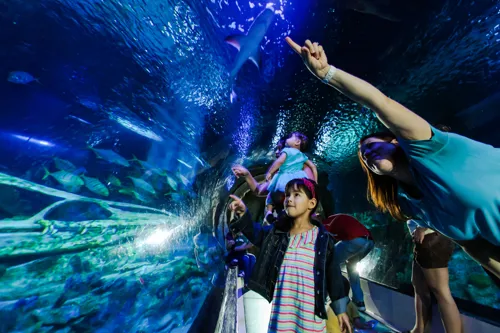
The best homeschool field trips combine education with experiences children will actually remember.
SEA LIFE Orlando offers that combination by putting students in an immersive environment surrounded by real marine life.
It also gives parents flexibility. Families can build the experience around their own curriculum, use the aquarium's free educational resources or simply encourage children to observe and ask questions.
For organized local homeschool groups, the discounted group rate and educational resources make it particularly useful as a planned Orlando homeschool activity.
And because marine science connects naturally to biology, environmental science, geography and literacy, one visit can support several areas of a homeschool curriculum.
Plan Your September Homeschool Field Trip to SEA LIFE Orlando
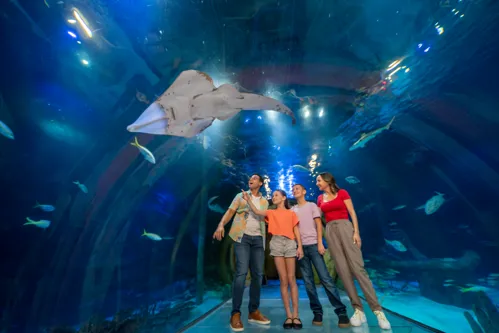
A homeschool field trip should be more than a day away from the house. It should give students something to discover.
At SEA LIFE Orlando, that discovery can begin with a simple question about a shark, a sea turtle, a ray or another marine animal and grow into a lesson about adaptations, ecosystems, conservation and the world beneath the water.
With homeschool group rates starting at $13.99 per person, resources available for before and after the visit, and experiences designed to connect children with marine life, SEA LIFE Orlando can be a memorable addition to a September homeschool curriculum.
Ready to plan your field trip? Homeschool groups should reserve at least 14 days in advance and have a minimum of 10 people to qualify for group pricing.
Frequently Asked Questions
Yes. SEA LIFE Orlando welcomes organized, local homeschool groups serving students in grades K through 12. Homeschool group rates start at $13.99 per person, and a minimum of 10 people is required for group pricing. Advance reservations are required at least 14 days before the visit.
Students can explore marine biology, animal adaptations, habitats, ecosystems, anatomy, animal behavior, water chemistry and ocean conservation. SEA LIFE Orlando also provides educational resources to help families connect their visit with homeschool lessons.
Yes. SEA LIFE Orlando provides free educational resources, including pre visit and post visit activities and self guided tour materials. Resources can help students explore topics such as animal behavior, adaptations, ecosystems and conservation.
A minimum of 10 people is required to qualify for homeschool group pricing. The group must be an organized local homeschool group serving children in grades K through 12.
Homeschool groups should make an advance online reservation at least 14 days before their planned visit. Booking early is recommended when organizing a larger homeschool group so families have time to coordinate their schedules.
Related blogs
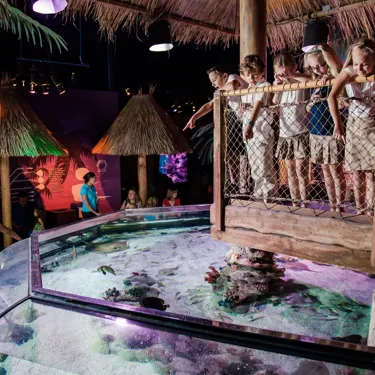
Educational Things to Do in Orlando
Looking for educational things to do in Orlando? Discover family friendly attractions where kids can explore marine life, science, space, wildlife, engineering and nature while having fun.
Related blog posts
15 Must Visit Fall Events in Orlando, Including Halloween at SEA LIFE Aquarium
From Halloween celebrations and trick or treating to food festivals, live entertainment and family friendly attractions, Orlando comes alive in the fall. Here are 15 events to add to your 2026 fall itinerary.
Related blog posts
Fall Things to Do in Orlando: Top Autumn Events & Theme Parks
Fall in Orlando brings cooler days, seasonal food, Halloween celebrations and some of the biggest theme park events of the year. From family friendly adventures at SEA LIFE Orlando to Brick or Treat, Mickey’s Not So Scary Halloween Party and Halloween Horror Nights, here are some of the best ways to enjoy autumn in Central Florida.
Related blog posts
Things to Do in Orlando in September (2026): Family Fun, Aquarium Adventures and More
Planning an Orlando vacation this September? From exploring an underwater world at SEA LIFE Orlando Aquarium to seasonal events and family friendly attractions, discover some of the best things to do in Orlando in September.
Related blog posts
How to Start Your Own Beach Cleanup in Florida: A Step-by-Step Guide
Florida’s beaches are home to incredible marine life, from sea turtles and tropical fish to countless ocean creatures that depend on clean habitats. Starting your own beach cleanup is a simple way to protect Florida’s coastline, reduce ocean pollution, and inspire your community to care for the ocean. Learn how to plan a successful beach cleanup, what supplies you need, and how organizations like SEA LIFE Trust are helping protect marine environments around the world.
Related blog posts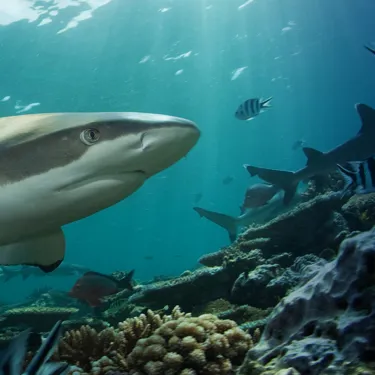
Complete Guide to Sharks in Florida: Species, Migration, and Where to See Them at Aquariums
Florida is one of the best places in the world to learn about sharks. From migrating blacktip sharks along the coastline to colorful reef sharks found inside aquariums, discover Florida shark species, migration patterns, fun facts, and the best places to see sharks—including SEA LIFE Orlando Aquarium at ICON Park.
Related blog posts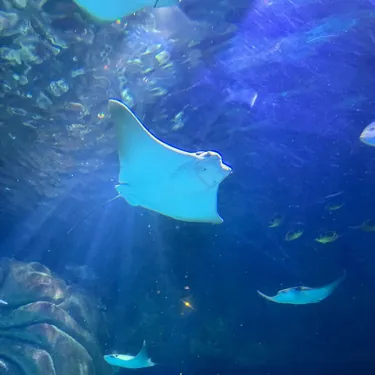
Complete Guide to Stingrays in Florida
How big can a stingray get? Are stingrays dangerous? What types of stingrays live in Florida waters? Discover the answers in this complete guide to Florida stingrays, including where to see them in aquariums and how to safely spot them at the beach.
Related blog posts
Complete Guide to Sea Turtles in Florida
Florida is one of the world's most important homes for sea turtles. From nesting beaches along the Atlantic Coast to rehabilitation hospitals and aquariums where you can learn about marine conservation, discover everything you need to know about Florida's incredible sea turtles in this complete guide.
Related blog posts
Meet the Axolotls at SEA LIFE Orlando: Fun Facts About One of the World's Most Fascinating Amphibians
Meet one of nature's most extraordinary amphibians at SEA LIFE Orlando Aquarium. Learn amazing axolotl facts, discover why these smiling salamanders can regenerate limbs, and find out where to see them during your next Orlando family adventure.
Related blog posts