Zebra Shark Rewilding Update: 62 Sharks Now Swimming in Raja Ampat
- Wednesday 11th March 2026
- Conservation

The StAR Project continues to deliver major milestones in the recovery of endangered zebra sharks (Stegostoma tigrinum) in the waters of Raja Ampat, Indonesia.
Back in March 2025, the program had successfully released 22 zebra sharks into the wild. By November 2025, that number had more than doubled to 51 sharks, demonstrating the growing momentum of the global rewilding effort.
The program also reached another important milestone in December 2025, with more than 150 zebra shark eggs exported from nine aquariums around the world to support the project’s nurseries in Raja Ampat. SEA LIFE Sydney Aquarium has played a significant role in this global effort, contributing 39 eggs, making it one of the largest exporters in the program.
The success continued into January 2026, when 11 additional zebra shark pups were released, bringing the total to 62 sharks now swimming in the wild waters of Raja Ampat. These releases are helping restore a population that had become functionally extinct in the region and are part of a wider international conservation collaboration aimed at rebuilding a healthy, genetically diverse population of zebra sharks.
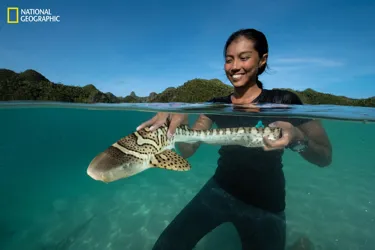
Ichida releases a zebra shark in Wayag. This effort was led by ReShark, a group of 44 aquariums in 13 countries that hopes to rebuild many populations of endangered sharks around the world by reintroducing animals raised in captivity. | Photograph by National Geographic Photographers David Doubilet and Jennifer Hayes
SEA LIFE Sydney Sharks Released into the Wild
SEA LIFE Sydney Aquarium is proud to have already contributed 11 zebra sharks originating from eggs laid at the aquarium to the StAR Project.
2023
Kathlyn
Charlie
Audrey
Mali
2024
Lingka
Spotty Dotty I
2025
Sheila
Sunny
Spotty Dotty II
2026
Nasrau
Christopher
Caitlin
Each shark released represents years of collaboration between aquariums, marine scientists and conservation partners working together to rebuild this endangered species.
Visitors can learn more about zebra sharks and other incredible ocean animals during their visit to SEA LIFE Sydney Aquarium.

A zebra shark embryo, illuminated from behind, curls inside an egg within a protective pouch, known colloquially as a mermaid’s purse, at a shark nursery in Indonesia. After hatching, it will be taken to the wild to help resurrect endangered shark populations in the Raja Ampat Islands. | Photograph by National Geographic photographers David Doubilet and Jennifer Hayes
Release Highlights
Several zebra sharks from the program have already helped researchers gain new insights into shark behaviour and conservation.
-
Charlie and Kathlyn – the first two sharks ever released through the StAR Project.
Mali – the first zebra shark hatch captured on video. -
Sheila – named following a special request from the B2 team.
-
Sunny – the 50th shark released, marking a major milestone for the program.
-
Nasrau – the largest pup released by Misool at 1.25 metres in length.
-
Christopher – fitted with a microPAT satellite tag, allowing researchers to track his movements during his first months in the wild.
-
Spotty Dotty II – provided valuable research data after her tracking tag detached 72 days after release. Early analysis revealed that juvenile zebra sharks perform “yo-yo dives”, moving between the surface and depths of around 100 metres multiple times each day.

Released by Reshark.org / © Georgia Aquarium
What’s Next for the StAR Project
The conservation effort continues to grow. Additional releases are planned in March and April, including pups originating from other aquarium partners.
Behind the scenes at SEA LIFE Sydney Aquarium, aquarists are currently caring for more than 43 zebra shark eggs, with 33 viable embryos developing. These eggs are expected to contribute to future shipments to Raja Ampat as the project continues to expand.
You can explore more about SEA LIFE Sydney’s conservation work, including projects like Project Seabin and the Southern Pygmy Perch Breeding Project.
Learn more about The StAR Project
Learn MoreFor those interested in learning more about the science behind the project, you can explore the Population Viability Analysis for Zebra Sharks and the ReShark 5-Year Impact Report, which highlight the research and global collaboration supporting zebra shark recovery.
You can also read The ReSharker newsletter for the latest stories and updates from the StAR Project.
Related blogs
World-First Reproductive Technique Provides Hope for Endangered Wild Shark Populations
SEA LIFE Sydney Aquarium is thrilled to announce its involvement in an exciting, world-first development in shark science and conservation, as their female leopard shark (Stegostoma tigrinum) population have been artificially inseminated with sperm collected from wild male leopard sharks.
Read more
Top Shark Myths and Facts
For years, sharks have been misunderstood and vilified and this Shark Awareness Day, the team at SEA LIFE Sydney Aquarium are dispelling myths around sharks
Read more
Meet our 13 unique species of shark
Discover the 13 species of sharks which call the aquarium home at SEA LIFE Sydney Aquarium, home to the largest variety of sharks in Australia
Read more
Interesting Facts About Sharks
Did you know there are over 400 different species of sharks? We are lucky enough to have 5 different species at SEA LIFE Sydney Aquarium. Discover some interesting facts about each of them!
Read more